Africa needs to unleash potential of lakes region









The global community is working to recover from the unprecedented economic and health impacts of the COVID-19 pandemic. In Africa, the African Great Lakes region aquaculture sector is working to sustain more than 60 million lives in 10 countries.
However, the sector's dependent countries bordering on Lakes Edward, Victoria, Albert, Tanganyika, Nyasa and Kivu continue to reel from COVID-19. Intrastate and interstate conflicts have also aggravated extreme poverty in the region.
Amalgamating the lakes region is crucial in Africa's quest to reduce poverty, create economic opportunities and fulfill global sustainable development goals. However, in addition to the push for manufacturing and industrialization to revamp Africa's economy beyond the pandemic, a drastic and critical shift toward advancing the economic potential of the lakes region is vital to tap the vast and rich aquaculture and mariculture within the countries involved.
The great shift toward the lake basin areas can be attributed to rapid population growth, massive geophysical features, rich natural resources and biodiversity, and economic acceleration, according to a report in the Journal of Great Lakes Research.
Globally, since 1970, aquaculture has expanded at an average annual rate of 8.9 percent, making it the fastest-growing food security production sector. The sector is providing almost half of all fisheries products for human consumption and has created employment and helped stimulate global economic growth.
China has utilized its rich aquaculture sector to help end poverty, provide food security and create employment for its large population. Aquaculture was one of the key policy frameworks Beijing adopted in the country's economic reform and opening-up. As a result, China is producing more seafood than any other country.
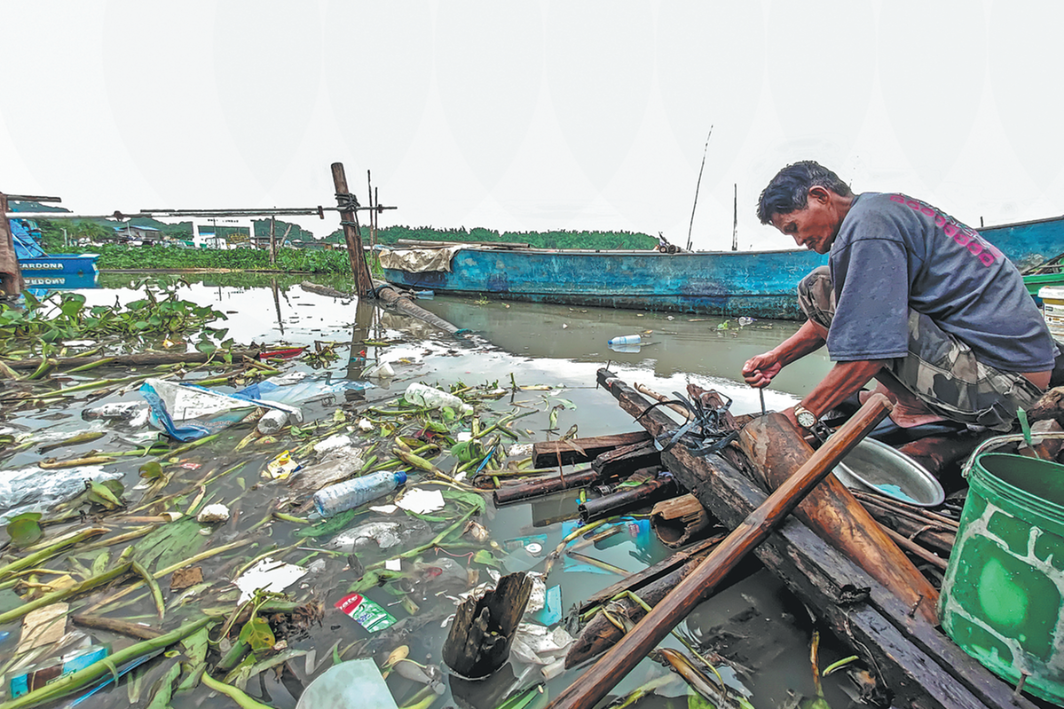
In Africa, while some regions recorded relatively high economic growth rates before COVID-19 hit, a number of countries within the lakes region grappled with extremely high levels of poverty. That was primarily attributed to human-induced as well as natural drivers. Human-induced drivers include climate change, industrial pollution, rapid population growth, environmental destruction, overfishing and the illegal wildlife and fisheries trade. Natural drivers include diseases, pests, drought and flooding.
Intrastate and interstate conflicts over available natural resources within the lakes region have also affected its overall economic growth.
Nonetheless, a number of affected states are recording economic growth with the establishment of the International Conference on the Great Lakes Region. The platform's sole purpose is to address the root causes of intractable conflicts and promote sustainable peace and development in the region.
However, the internationalization of the "trade and water wars" is becoming a new 21st century economic threat. Conflicts like the Nile Basin issue within the Horn of Africa, the politicizing of diseases such as COVID-19 and an increasing push for unilateralism and protectionism will drive some of the countries within the lakes region to face another economic recession.
The region will require drastic economic stimulus policies. First, there is a need to enhance collaboration with the international community on assistance. For instance, the World Bank has rolled out a $1 billion assistance package to affected countries that will be used to generate cross-border trade and provide better health and education services.
Second, there is need for knowledge sharing. Countries such as China that have vast experience in using available aquaculture and mariculture resources to ensure food security for its population should partner with various countries within the African lakes region through available policy engagements to create food security for sustainable development.
There is also a need to harmonize research and management as key elements to bolster economic growth and sustainable development efforts. This should be done under the banner of the International Conference on the Great Lakes Region.
Dennis Munene is executive director of the China-Africa Center at the Africa Policy Institute, a Kenya-based think tank. The views do not necessarily reflect those of China Daily.