China's digital edge hailed in climate efforts









US can gain from cooperation with pacesetter on data use, scientist says
China is a leader in finding digital technology solutions to accelerate progress on climate goals, and the US can learn from its efforts, a US environmental scientist said.
There is huge potential for digital technologies in the climate change and environmental sustainability space, which opens up "a world of opportunities" for both countries to engage each other in this "underexplored" area, said Angel Hsu, an assistant professor of public policy and the environment at the University of North Carolina, Chapel Hill, at a recent webinar on climate change.
China has a "distinct competitive advantage" in digitally enabled solutions on data, machine learning and artificial intelligence, which the US also can use to achieve its climate goals, she said.
For example, Alibaba Cloud is using the technology to monitor real-time traffic patterns, which helps save fuel by ensuring that cars and vehicles are not idling and combusting more fuel, said Hsu, adding that it's "very innovative".
The city of Hangzhou, home to Alibaba's headquarters, is using this type of technology, which it calls "city brain project", to better monitor traffic patterns, said Hsu.
In Beijing, a low-cost sensor network has been implemented throughout the city to get microlevel data on air pollution, she said, adding that it is an area in which the US and China can collaborate.
In China, there has been a lot of experimentation with digitally enabled solutions to environmental management, particularly at the local level, which is "really exciting", said Hsu.
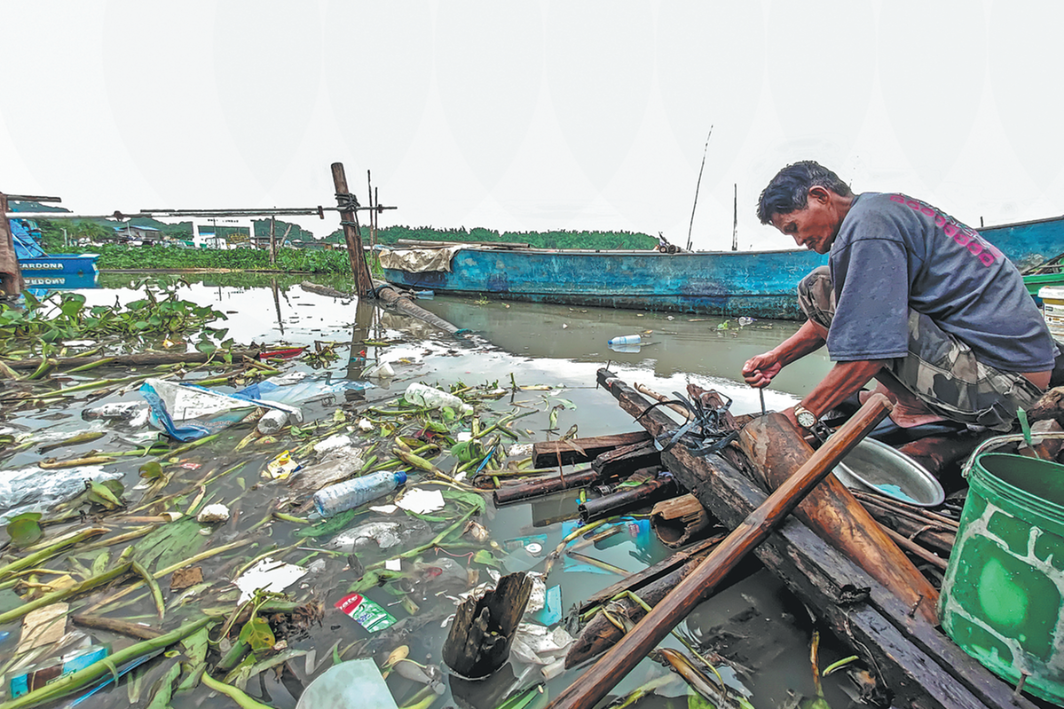
Another innovative example Hsu highlighted is the Black and Smelly Waters app initiated by the Ministry of Environmental Protections for the purpose of engaging citizens in collecting water-pollution information.
The app allows citizens to take photos and send complaints to the government officials in charge of managing the water body. When they locate a polluted body of water within a city, officials have a number of days to respond.
"This citizen-generated transparency is an innovative way to enhance local accountability and improve local implementation and governance of environmental policy," said Hsu.
Hsu and her team evaluated 4,000 citizen-generated reports in 2016 and 2017, and they found that citizens were able to identify two times more black and smelly sites than those on the official register.
"So this seems to suggest that citizens can play a valuable role in filling in gaps in monitoring polluted waterways," she said.
Blockchain technology
The team has been exploring some new forms of data, particularly in the context of China. For instance, the company Synergy Blockchain is using blockchain technology to connect ordinary citizens to take action against climate change and to report such actions in the decentralized format, and then track those efforts in the climate change space, said Hsu.
Another new source of information that is increasingly being applied in environmental policy in China is the sharing of geographic information or positioning data, which has enormous potential to help answer fundamental questions of tree coverage or air pollutant emissions in the absence of ground-based monitoring, she said.
Genia Kostka, professor of Chinese politics at the Free University of Berlin, agreed that the Chinese national and local governments are pushing for the use of more advanced technologies in the environmental space.
"We see more bottom-up data generation, which is very exciting," she said.
"Nationally, there is an air pollution data platform which serves as an early warning system for severe smoke incidents; we also see many cities have started to devise their own platforms.
"Environmental data is very important, not just quantity but also quality. And when we look at China, we see incremental improvements over time, and I think this is very impressive."