Upholder of multilateralism
China can be proud of its achievements but it also needs to be sensitive to the views and concerns of the outside world










Multilateralism is about seeking consensus through consultation and managing common affairs through cooperation. The purpose is to achieve shared benefits and win-win results.
Both the European Union and the Association of Southeast Asian Nations have achieved early success in practicing multilateralism and China has learned a lot from them.
At the beginning of China's reform and opening-up, modern multilateralism was a relatively new concept that it spent time learning, accepting, and eventually, firmly upholding it.
For example, China embarked on its journey of participating in multilateral diplomacy and regional cooperation in Asia by becoming a dialogue partner of the Association of Southeast Asian Nations.
Under the framework of ASEAN Plus China and ASEAN Plus Three, the trade volume between China and ASEAN countries has rocketed from $8 billion to $684.6 billion, growing by more than 80-fold. The two sides have become each other's major trade partners, and forged a strong strategic partnership.
China and the European Union have also established highly interdependent relations. China's trade with the EU hit $649.5 billion in 2020, making it the EU's largest trading partner.
During the COVID-19 pandemic, the China Railway Express delivered huge quantities of anti-pandemic supplies to European countries, contributing to their fight against the pandemic. Watching on TV the arrival of CRE trains carrying a variety of European goods and products, there can be no doubt that, despite the geographic distance, both sides stand close together and have great potential for cooperation.
Looking back at history, the trend of multilateralism was driven by the urge to stop war and forge amicable ties. The early form of multilateralism appeared long before modern international relations took shape.
Modern multilateralism, aimed at safeguarding peace and promoting cooperation, was developed in the 20th century after the bitter lessons of two world wars.
Those conflicts compelled people to explore a multilateral mechanism that could coordinate interstate interests, end wars and ensure lasting world peace.
Since the 1990s, driven by the trend of peaceful development in the post-Cold War period, multilateralism has been more broadly and effectively practiced.
It can be argued that multilateralism has gained broad recognition and support as a basic norm for safeguarding the international order.
China is a member of many multilateral institutions. It is also taking the initiative to design and build multilateral mechanisms. For example, China organized and promoted the Six-Party Talks on the Korean Peninsula nuclear issue, hosted summits for BRICS and the Shanghai Cooperation Organization, and initiated the cooperation between China and Central and Eastern European Countries.
Regarding security, China has participated in the United Nations' Conference on Disarmament and signed a number of treaties, including the Comprehensive Nuclear Test Ban Treaty.
China highly values its role in the multilateral institutions within the framework of the United Nations, and is an active participant and contributor to such multilateral agendas as global economic recovery, climate change, public health, and counterterrorism. Entering the 21st century, China has also initiated the Asian Infrastructure Investment Bank and the Belt and Road Initiative.
With the COVID-19 pandemic gripping the world, China has not only endeavored to contain the virus at home, but also engaged in global cooperation to combat the pandemic, offering emergency supplies to over 160 countries and international organizations.
Since the beginning of this year, China has been supplying vaccines to more than 80 countries and international organizations in urgent need.
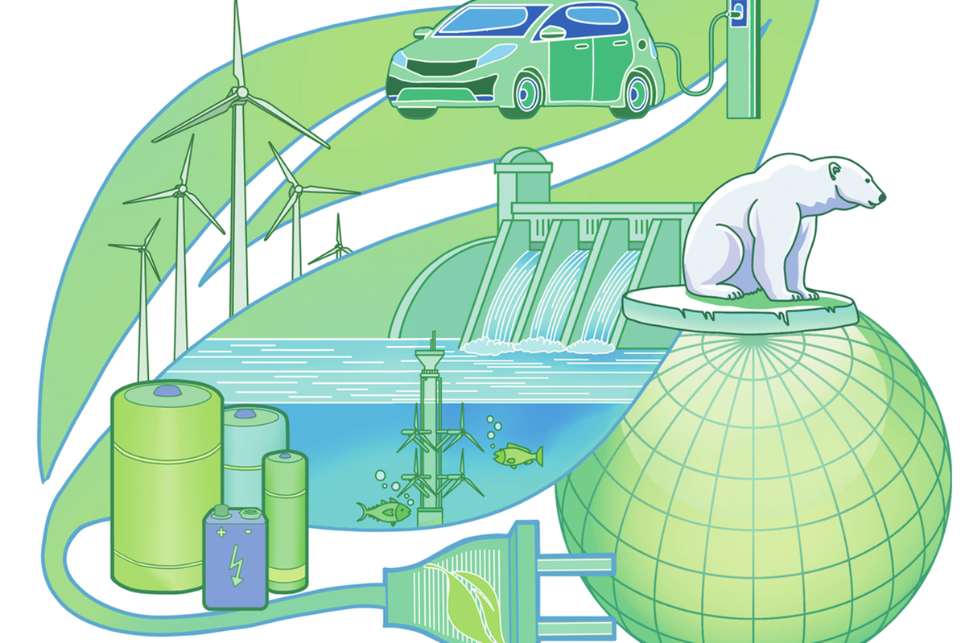
Also, on Sept 22 last year, President Xi Jinping proposed at the General Debate of the 75th Session of the UN General Assembly that China aims to peak its CO2 emissions before 2030 and achieve carbon neutrality before 2060. It's not an easy task and every province has to come up with their plans to match those goals.
Within four decades, China has not only broadened awareness about multilateralism, but also achieved a leap in translating the concept into practice. China always remains committed to multilateralism and promotes the goal of building a community of a shared future for mankind.
Therefore, it is fair to say that China, as a large developing country and a latecomer in international affairs, has secured remarkable progress.
While China can be proud of its development achievements, it also needs to be sensitive to the views and concerns of the outside world. China does not expect multilateralism to become a tool to serve the interests of a single country. We understand, multilateralism should not be used to maximize the goals or interests of a single party. Sometimes it is necessary for parties to make concessions so that one's own interests can ultimately be met by practicing altruism and safeguarding multi-party interests.
When countries comply with multilateralism, they must restrain themselves from exclusively pursuing their own interests; instead, they should consider the needs of other parties.
Multilateralism opposes exclusiveness and discrimination, and is based on universally shared common values, such as peace, development, fairness, justice, democracy and freedom.
One lesson we should learn from the COVID-19 pandemic in 2020 is that no country can face global challenges alone and global and regional multilateral frameworks and mechanisms should play their roles.
From a historic perspective, one can see that the lack of multilateral effort in this battle has been a serious disappointment. Major countries, and even international institutions, have failed to effectively gather enough collective strength in the global fight against the pandemic.
Learning from this lesson, we should focus on common interests instead of being swayed by differences, and we should pull through global challenges together by upholding multilateralism.
Based on the principles of equality, mutual benefit and openness, all countries should uphold multilateralism through dialogue and consultation, striving to address the interests and concerns of all parties as much as possible.
More bridges should be built for increasing systematic conversations and exchanging ideas in a calm manner to enhance the mutual understanding and trust.
The author is former Chinese vice-foreign minister and the chairperson of the Center for International Security and Strategy at Tsinghua University. The author contributed this article to China Watch, a think tank powered by China Daily. The views do not necessarily reflect those of China Daily.