Biodiversity and business: What can be learnt from the Sri Lankan tea industry









Biodiversity is considered the "web of life" of all living beings in the universe. It is the link between all organisms on earth, binding each into an interdependent ecosystem in which all species play their role. The world's 7.6 billion people represent just 0.01% of all living things by weight, but humanity has caused the loss of 83% of all wild mammals and half of all plants.
Reduced biodiversity means millions of people face a future in which food supplies are more vulnerable to pests and disease, and fresh water is in irregular or short supply. Considering these threats, the United Nations has identified biodiversity conservation in two of its Sustainable Development Goals (SDGs). Specifically, SDG No. 14 and 15 aim to conserve biodiversity on land and below water.
Biodiversity conversation can help end the extinction of endangered species, manage ecosystems to prevent future pandemics and create a better future for generations to come. According to the World Economic Forum, more than half of the world's Gross Domestic Product (GDP) is highly or moderately dependent on nature. The interdependence of biodiversity and business is clearly visible in economic sectors such as plantations, pharmaceuticals and food and beverages.
Biodiversity and the plantation industry
Due to its dependence on the environment and the ecosystem, biodiversity management in the plantation industry has received significant attention from different parties. Biodiversity is a highly sensitive area for the plantation industry due to its environmental impact and the reliance of the industry on the natural environment. Intensification of agriculture and the use of hazardous agrochemicals and genetically modified resources in agricultural activities have raised concerns about the ecological implications of such actions.
This, in turn, places the plantation industry in a precarious position due to its negative impact on biodiversity. For example, the oil palm plantations in Indonesia have caused the loss of mangrove, peat swamp forest, lowland forest and lower Montane forest during 2000-2010, which account for 678,668 ha of landmass. It is estimated that these impacts on the carbon balance will take at least 600 years to stabilise if the original habitat is replanted.
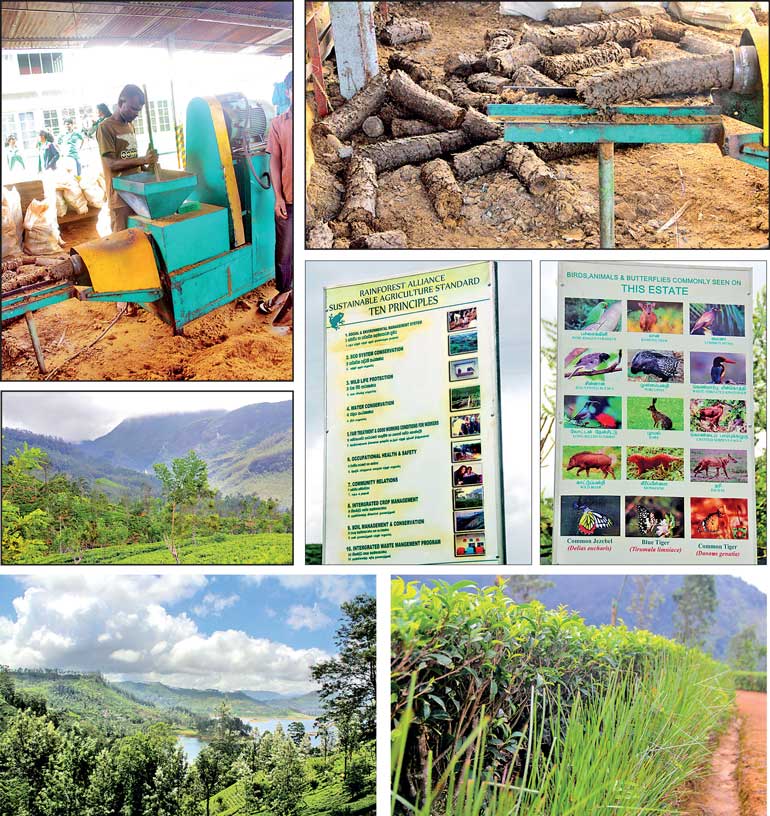
For a developing country like Sri Lanka, the tea plantation is one of the prominent sectors not only due to its foreign income earning capacity but also due to its impact on the natural environment. Since tea plantation companies are usually located in ecologically important open lands with sensitive ecosystems, they are responsible for managing biodiversity throughout their value chains.
Furthermore, the International Union for the Conservation of Nature (IUCN), an international organisation promoting nature conservation and sustainable use of natural resources, has declared the Central Highlands of Sri Lanka a biodiversity super-hot spot in the world. This underscores the importance of biodiversity conservation for the tea industry in Sri Lanka. On the other hand, buyers in international tea markets have compelled the tea industry's value chain partners, particularly plantation companies, to adopt environmentally sustainable practices that would lead to biodiversity conservation.
Locally, governmental and non-governmental institutions have adopted several initiatives to protect the environment by implementing rules and regulations, establishing regulative authorities and imposing penalties for practices that damage biodiversity. Besides, many plantation companies have attempted to legitimise their environmental protection or sustainable practices by obtaining international accreditations and certifications in response to pressure from various stakeholders.
The Rainforest Alliance (RA) and the Ethical Tea Partnership (ETP) are globally recognised accreditation and certification providers focused on environmental conservation for plantation companies.