Kunming summit starts new biodiversity chapter









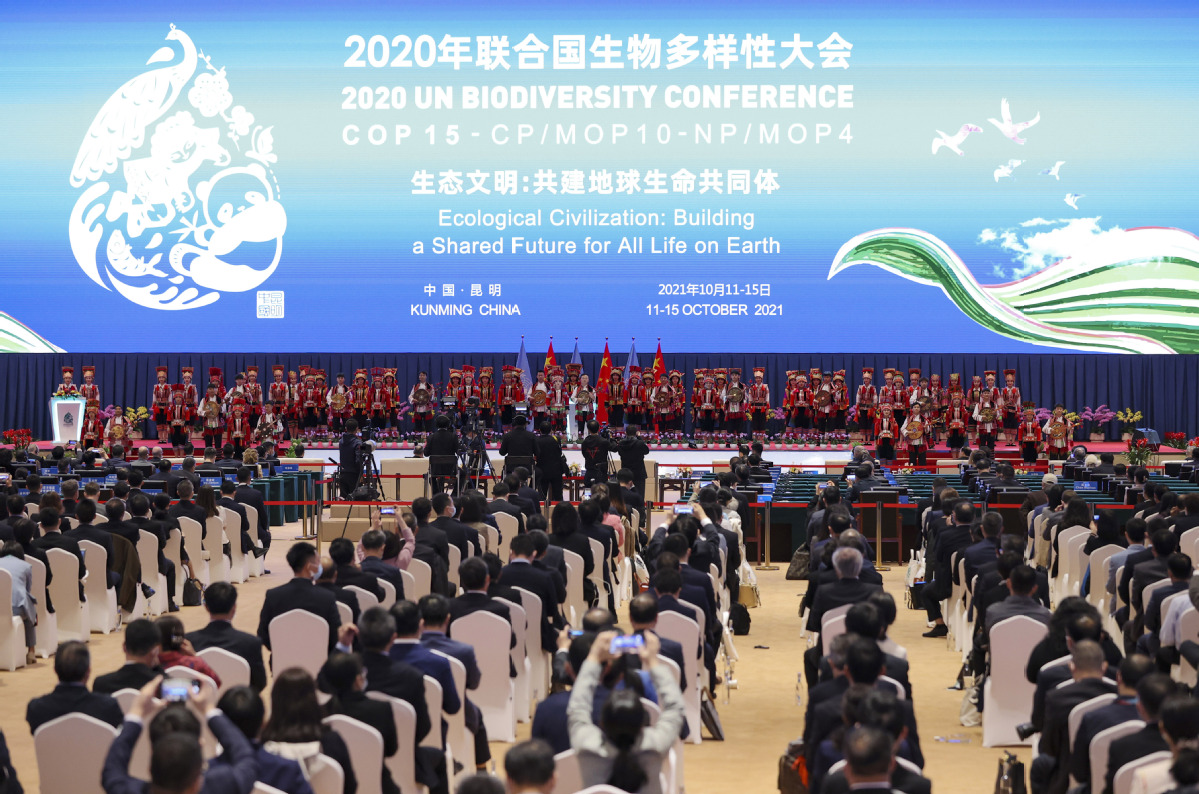
There is likely to be a strong sense of deja vu among the delegates assembled this week in Kunming, China, where the United Nations fired the starting gun on negotiations for the 15th meeting of the Convention on Biological Diversity, or COP15.
Several representatives may remember meeting for COP10 in Japan 11 years ago, when the comprehensive failure to satisfy targets laid out in 2002 hung heavy in the air.
In Kunming, parties that have signed on to the convention must once again address the failures of the previous decade. COP10 involved the ratification of a 20-point plan, known as the Aichi Biodiversity Targets, for the protection of biodiversity through 2020, further split into 60 elements. Of these elements, 38 have shown progress of some kind, and just seven have been achieved, according to a UN report.
Negotiations in Kunming will involve a new approach, as the current rate of losses in the natural world spells catastrophe for both human and non-human populations.
"The failure of the last decade was not in the ambition of the targets themselves, but in the failure to follow through and turn words into actions," said Georgina Chandler, senior international policy officer at the Royal Society for the Protection of Birds, in an interview with China Daily.
Chandler, who has monitored COP negotiations for several years, said success over the next decade hinges on three main areas: financing countries to help implement targets; stronger accountability mechanisms so "countries cannot hide behind each other's lack of progress"; and raising nature on the political agenda.
"We need to send the signal that business as usual is not acceptable and change is coming," Chandler said. "Tangible high-level political action is needed."
China has strongly advocated for new finance mechanisms, and has pushed together with several African nations for the establishment of a multi-billion dollar global biodiversity fund to help developing countries meet goals.
"There's an urgent need for financial mechanisms to support developing nations toward a nature-positive future," said Andy Purvis, research leader in the diversity and informatics division at the Natural History Museum, told China Daily.
Chandler said the success of COP15 hangs on the outcome of resource mobilization. "What we know is that the idea of a fund had been proposed early in the negotiations and it is something African nations have been asking for. What we don't know is whether this will become a reality."
Major challenge
Lisa Chilton, chief executive of the National Biodiversity Network Trust, said another major challenge involves improving messaging on biodiversity issues, both among policymakers and the general public.
"As the impacts of climate change touch ever more lives-and as they strike closer and closer to where we live-the messages finally hit home, causing a huge upswell in public concern and a desire for action," she told China Daily. "In contrast, for many, biodiversity loss is still 'over there'-a peripheral concern rather than an urgent and existential crisis."
While they hold similar importance when it comes to the fate of the planet, UN biodiversity talks generally receive less media coverage and public recognition when compared with climate negotiations, such as the well-publicized COP26 conference taking place in Glasgow, starting at the end of next month.
Stakeholders have grappled with strategies that would see biodiversity issues gain traction in the media.
The Paris Agreement on climate change benefited from its association with clear targets, such as the 1.5 degree Celsius threshold for warming. Biodiversity, on the other hand, does not lend itself so well to such easily digestible messaging, they said.