Food for all









Fresh momentum for better production and better nutrition to ensure a better environment and a better life
This year's World Food Day on Oct 16 finds us at a critical moment. The COVID-19 pandemic remains a global challenge, causing untold losses and hardship. The impacts of the climate crisis are all around us. Crops have gone up in flames. Homes have been washed away. Lives and livelihoods have been thrown into turmoil due to conflict and other humanitarian emergencies. Global food security challenges have not been this severe for years.
Yet in the midst of this all, there is an encouraging new momentum and energy building as we strive to overhaul the ways in which our food is produced, stored, distributed and consumed. We have started confronting the problems and making the structures more fit for purpose.
The United Nations Food Systems Summit convened by UN Secretary-General António Guterres in September mapped out the broad outlines of how the world needs to move forward to transform agri-food systems.
The closing maxim of the gathering was "From New York back to Rome" where the Food and Agriculture Organization and sister UN food agencies are based.
The FAO has already got down to the practical tasks of leading the implementation and driving the transformation.
A groundbreaking World Food Forum was successfully convened here in the Italian capital earlier this month, powered by global youth, and youth representatives at the FAO and our sister agencies, focused on harnessing the creativity and resilience of our younger generations. They have the most at stake. They will be the ones living with the direct consequences of the climate crisis and malfunctioning agri-food systems. At the same time, the 1.8 billion young people in the world today between the age of 10 and 24, of which nearly 90 percent are living in developing countries, provide unlimited potential to tap.
We have already started to leverage that into widespread awareness, holistic solutions and concrete youth-led actions for change. Of course young people aren't the only ones who need to worry about our agri-food systems not being fit for purpose, and who need to think of ways to make them more efficient, inclusive, resilient and sustainable.
Even before COVID-19 shone a spotlight on the vulnerability of the world's agri-food systems, hundreds of millions of people worldwide were afflicted by hunger-and that number has increased in 2020 to 811 million. Despite the world producing sufficient food to feed all of us. This is unimaginable and unacceptable.
At the same time, 14 percent of the food grown is lost, and 17 percent is wasted. Combine this with other stressors-such as pests and diseases, natural disasters, loss of biodiversity and habitat destruction, and conflict-and you can see the magnitude of the challenge we face in meeting the world's growing food needs, while simultaneously reducing the environmental and climate impact on our agri-food systems.
The FAO, as the leading agency working on food and agriculture, has developed a toolbox which we are confident can enable us to make an impact on many of these complex systemic problems.
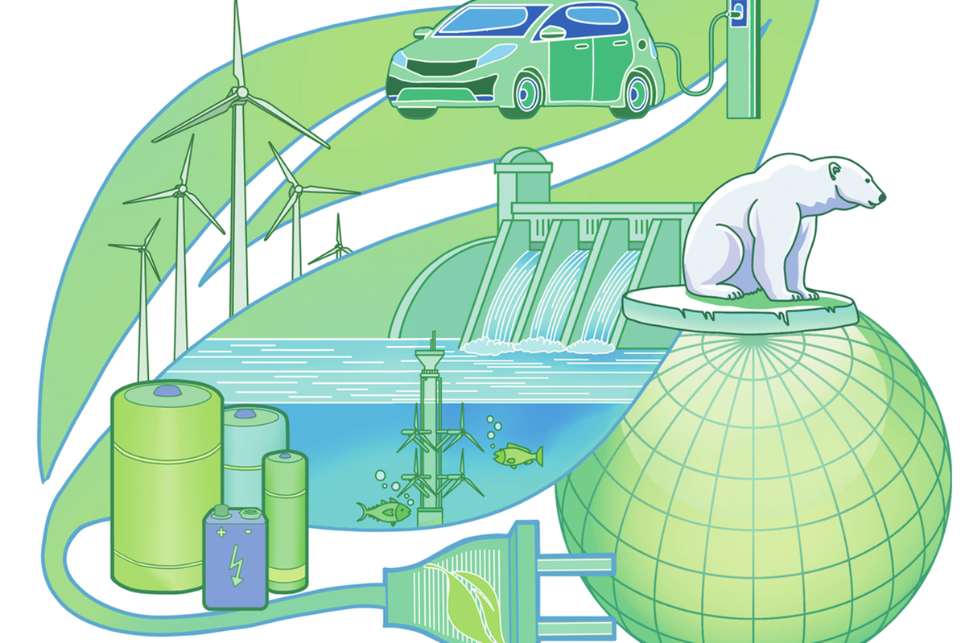
We have a clear sense of where we are going, framed in the objectives: Better Production, Better Nutrition, a Better Environment and a Better Life. And our work is underpinned by a new Strategic Framework (2022-31) for the next 10 years that defines the concrete actions and inputs needed to make the Four Betters a reality, and leave no one behind.
The FAO estimates that as much as $40 to $50 billion in annual investments on targeted interventions are needed to end hunger by 2030. There are plenty of low-cost, high-impact projects that can help hundreds of millions of people better meet their food needs.
For instance, targeted interventions in research and development to make farming more technologically advanced, innovation in digital agriculture, and improved literacy rates among women can go a long way to reducing hunger. But there are also other essential elements such as better data, governance and institutions, that need to be added to the equation.
In addition, our approach can only be effective if it's rooted in working together with governments and key partners as they forge their own national pathways toward transformation in line with their specific conditions and needs.
We also need to realize that scientists and bureaucrats and even food producers and distributors will never be able to bring about all these desperately needed changes on their own.
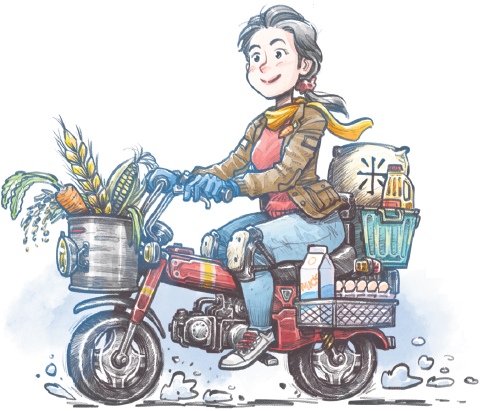
The transformation can and must start with pragmatic and concrete actions by ordinary consumers and the choices we make. The decisions we make every day on the foods we consume, where we buy them, how they are packaged, how much food we throw away-all these have an impact on our agri-food systems and the future of this planet.
All of us have the potential to be food heroes. Our actions are our future. The process of transforming our agri-food systems-and making an impact on global hunger, healthy diets, environmental damage and waste-starts with you and me.
But it doesn't end with you and me. The old adage goes: "We are what we eat." It also holds true that how our children and grandchildren develop will also be influenced by what we eat. Hope is in their hands to carry on. Let us learn together, work together and contribute together.
The author is director-general of the Food and Agriculture Organization of the United Nations. The author contributed this article to China Watch, a think tank powered by China Daily. The views do not necessarily reflect those of China Daily.
Contact the editor at editor@chinawatch.cn