Sub-Saharan Africa bears heaviest burden of antimicrobial resistance









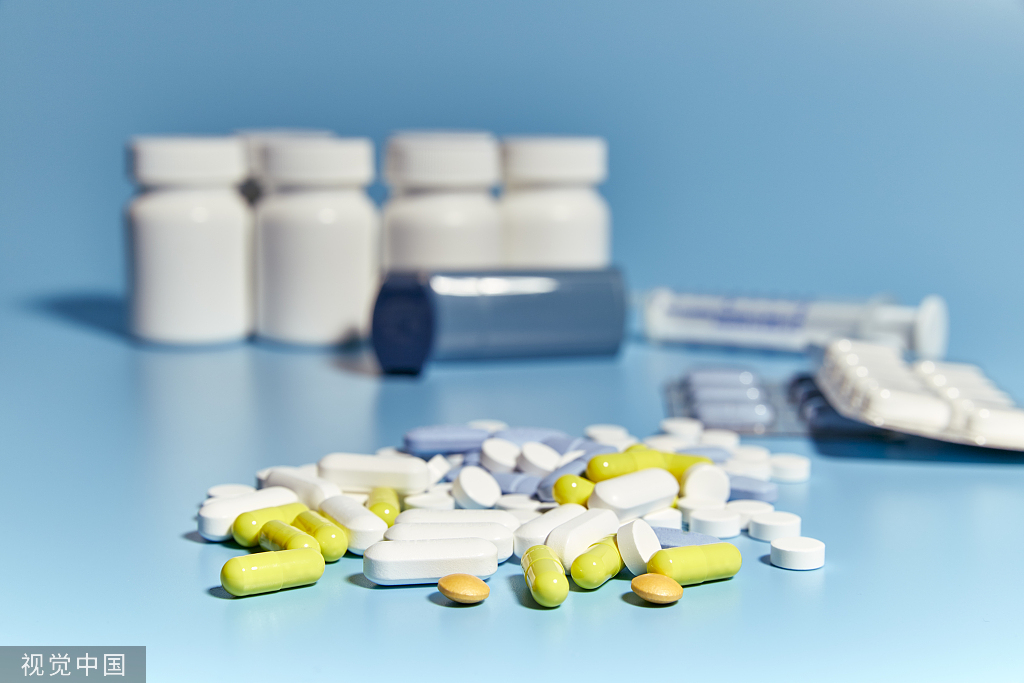
As the world concluded its commemoration of the 2022 World Antimicrobial Awareness Week on Thursday, it was all the more clear Sub-Saharan African countries continue to bear the heaviest burden of resistant bacterial infections.
Dr Nonhlanhla Dlamini, the deputy country representative of the World Health Organization to Ethiopia, said Sub-Saharan Africa is witnessing 99 deaths per 100,000 people from antimicrobial resistance, exceeding the previous global projections of 700,000 annual deaths from the threat.
"Compounding the challenge is more than half of all deaths recorded in the WHO African region are caused by communicable diseases managed with antimicrobial medicines," she said at an event to commemorate 2022 World Antimicrobial Awareness Week in Ethiopia on Thursday.
Dlamini said antimicrobial resistance is putting at risk decades of progress made in the control of HIV/AIDS, tuberculosis, malaria and sexually transmitted infections.
Antimicrobial resistance, commonly known as "drug resistance", occurs when disease-causing germs become resistant to traditional medication, making infections harder to treat and increasing the risk of disease spread, severe illness and death.
In her address earlier in the week, Dr Matshidiso Moeti, the WHO regional director for Africa, said various reports suggest the management of COVID-19 patients with antibiotics has fueled the global antimicrobial resistance threat.
Apart from misuse and overuse of antimicrobials in human and animal health, Moeti said other drivers include limited diagnostic capacity to support appropriate treatment and limited availability and uptake of vaccines.
This is in addition to lack of access to clean water, poor infection prevention and control practices; sanitation and hygiene; poor disposal practices and the presence of antimicrobials in the environment and water bodies.
Moeti called on African countries to invest in sustainable local financing and implementation of the antimicrobial resistance national action plans focused on infection prevention and control.
This is in addition to clean water, sanitation, and hygiene, as well as the establishment of multisectoral coordination mechanisms to counter risks.
She also urged countries to maintain a balance between addressing antimicrobial resistance and maintaining access to vital medicines.
Moeti also urged the strengthening of surveillance and laboratory capacity for detection, prevention and response to antimicrobial resistance.
Research published in the United States National Library of Medicine in August found while many countries in Sub-Saharan Africa have developed national action plans, some countries like Botswana and Namibia are yet to officially launch their own.
The research found South Africa has made the greatest strides with implementing its national action plans, including regular monitoring of activities and instigation of antimicrobial stewardship programs.
Researchers identified available personnel, expertise, capacity and resources to undertake agreed national action plan activities including active surveillance, lack of focal points to drive the plans and competing demands and priorities including among donors as key challenges affecting Africa's fight against antimicrobial resistance.
In 2019, 4.95 million deaths globally were attributed to drug-resistant bacterial infections, with 1.27 million directly related to antimicrobial resistance - more than HIV/AIDS and malaria combined, WHO data indicates.