Could supersmart machines replace humans?









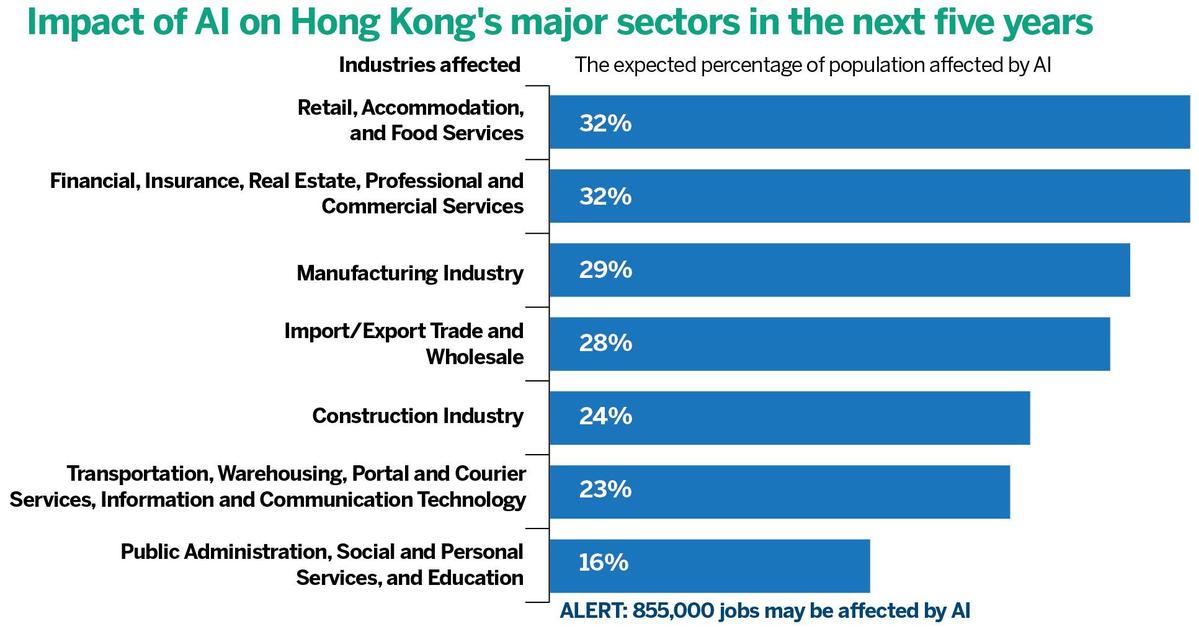
Instinctive distrust
An international survey "Trust in AI" conducted from September through October 2022 by KGPM Australia, showed that 42 percent of 17,193 respondents from 17 nations (China and Singapore included) agreed "the world would be a far better place without AI" and 47 percent reported extreme anxiety that "AI would progressively destroy the human world and there are very significant risks associated with using AI in daily life." Another poll in May by Reuters/Ipsos recorded 61 percent of Americans believing AI could threaten civilization.
A McKinsey study forecast that up to 236 million jobs in China could be automated by 2030. Goldman Sachs in March predicted that AI could replace the equivalent of 300 million full-time jobs.
Ken Ip, chairman of Hong Kong-based Asia MarTech Society, foresees "occupations such as data entry, customer service, and administrative roles subject to transformation, as AI systems become better at handling these tasks."
Fear of technology displacing humans has been with us since the Industrial Revolution of the late 18th century. But while replacing low-grade work, mechanization created the need for higher-grade human roles to supervise the automation.





- Arab League delegation visits China-Arab Research Center on Reform and Development for 10th anniversary
- Shanghai Jiao Tong University launches Center for Studies of Global South Sustainable Development
- Ex-CNNC general manager faces disciplinary probe
- China launches long march 12 rocket, deploys satellites for expanding space network
- Global gathering transforms Yixing village into youth hub
- China's prosecutors intensify crackdown on crime, charge 1.27 million in first 11 months of 2025