Harvard exhibition traces addiction from Opium Wars to present day









From China's 18th century Opium Wars to today's US opioid crisis, addiction's historical echoes serve as a global reminder.
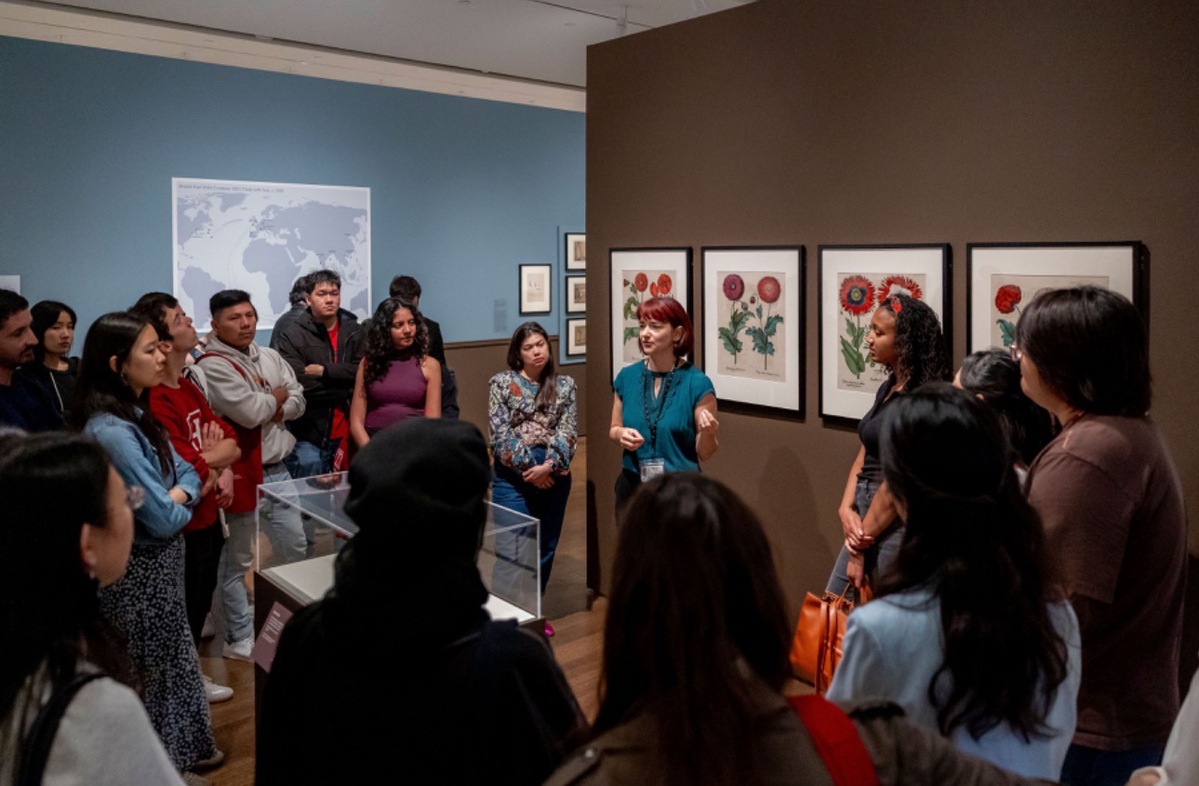
Objects of Addiction: Opium, Empire, and the Chinese Art Trade, an exhibition at the Harvard Art Museum in Boston from September to January, delves into the intertwined histories of the opium trade and Chinese art, shedding light on their impact on the global economy, cultural landscape, education, public health and immigration topics.
"I grew up in Boston, and I never learned about that history. I was really interested in the idea of doing an exhibition that looked at this very contemporary issue that affects Massachusetts, but through a historical lens," Sarah Laursen, the associate curator of Chinese art at the museum, told China Daily. "I'm trying to see the ways that history has repeated itself over time."
In the 18th century, American opium traders, many from Boston, would source opium from India — where the British East India Company controlled its production and trade — and ship it to China. Traders would sell the opium for highly coveted Chinese goods like tea, silk and porcelain, which were in high demand in the West.
The trade was incredibly profitable, and traders from Massachusetts played a significant role in it. As a result, many of New England's wealthy merchant families made their fortunes through such commerce.
The Harvard Art Museum still benefits from the support of some of those families, like the Forbes family, who historically profited from the opium trade in China. The museum also has received donations from curators, professors and alumni who have collected Chinese art, sometimes without full knowledge of its origins.
The museum also has connections with the Sackler family, which has been implicated in the modern opioid crisis.
The art exhibited today, whether obtained from China in a legal or illicit way has a complex legacy, linked to both historical and contemporary issues involving the opium trade.
"I received questions from our audiences about the sources of our philanthropy, you know, what are our funding sources, and what are the sources of the objects in the museum. A lot of people kind of immediately start asking questions about repatriation, legality and ethics issues," Laursen said about the origin of her idea for the exhibition. "So I decided that it would be helpful to do an exhibition that really examined those questions.
"A lot of things were taken during periods of intense colonialism or imperialism, and we tend not to talk about those examples as much because the international law was framed around the UNESCO Convention of 1970, and that doesn't really bring into the discussion these late imperial artworks," Laursen said. But the main purpose for the exhibition is to be "transparent" to audiences, she said.
"Most museums don't have full provenance for their collections. They're just missing information. Difficult to say whether something was looted or whether was sold off legally, but regardless of that, we can still be clear and transparent about some of the ethical issues. We wanted to sort of lay out the history and facts," she said.
"It's a mix of complicated emotions when I watch and read about every item in the show. The pipe, the artwork from China, the account book for buying opium. But now I have a better understanding of the details of the Opium War. That makes me miss my motherland," a 22-year-old visitor to the exhibition who is a college student, told China Daily.
She said that the introductory descriptions for some items in the exhibition highlight the donors to the museum more than the details of the items themselves.
Laursen said that repatriation cases can take many years and be extremely complicated, but she wanted the show to open a dialogue with colleagues, scholars, archaeologists and curators in China — how they can work together, how they can continue to use these objects as opportunities to reach students not just about collecting history as an art history scholar, but about the important role these artworks have in ancient history.
Laursen said that American audiences "often discuss 'rescuing' art from China because they harbor negative attitudes towards the local Chinese and maintain a broader global stereotype of Chinese people as 'drug users', which has negatively contributed to the enactment of the Chinese Exclusion Act. Therefore, the mission of the exhibition is to be transparent and open dialogue between both sides.''
The curator said that another important section reveals the current opioid crisis in the US, especially in light of the tension between China and the US. Instead of focusing on politics, the exhibition aims to address the historical and current issues of addiction in China and the US, informing people about addiction and hosting a series of overdose-prevention workshops as part of the public health component.
"I was a victim for a long time to doctors not knowing what to do with my body's ailment, who found it easier to improperly prescribe opioids to erase my pain instead of investing the time to really diagnose, trying to dig myself out of the hole," a visitor wrote and put on the panel.
"We want people to feel safe, and we really need voices, especially from the addiction and recovery communities, as well as the Chinese community," Laursen said.