Brotherly Nations Iran-Pakistan in peril: A plea for collaboration and diplomacy










In the intricate fabric of international relations, the connections between neighboring countries often play a vital role in sustaining regional stability. For Pakistan and Iran, historical ties have been characterized by shared challenges and mutual respect. Nevertheless, recent attacks originating from both sides of the border have sparked concerns, posing a threat to the fragile equilibrium in the region. As we examine the complexities of these events, it is crucial to emphasize the importance of preserving the integrity of each nation and honoring their sovereignty, as both countries have committed to doing under the principles of the United Nations.
The region shared by Pakistan and Iran has witnessed turbulence for decades, with internal and external factors contributing to the complex dynamics. Both countries, bound by historical ties, have faced common challenges such as terrorism, separatism, and socio-economic disparities. While each nation grapples with internal issues, it is crucial to acknowledge the interconnectedness of their destinies and work collaboratively to find lasting solutions.
The recent spate of attacks has brought to light the existence of anti-Iran and anti-Pakistan elements operating on both sides of the border. It is essential to recognize that these elements do not represent the sentiments of the majority in either country but are driven by external interests seeking to sow discord. Unraveling the motivations behind these attacks reveals a disturbing pattern, pointing towards the possibility of external forces providing financial and logistical support to these elements. This raises questions about the involvement of countries with high-tech expertise in manipulating regional dynamics for their strategic gains.
The region's difficult terrain has made it challenging to monitor and control illicit activities, providing a conducive environment for anti-state elements to thrive. The vast and rugged border between Iran and Pakistan has become a breeding ground for nefarious activities, necessitating a collaborative approach to fortify security measures. Both nations must recognize the shared responsibility of securing their borders and invest in technologies and strategies that can effectively counteract the threats posed by these elements.
While internal factors play a significant role in the tensions between Iran and Pakistan, it is essential to acknowledge the potential involvement of external forces in exacerbating the situation. The complexity of the geopolitical landscape demands a careful examination of the interests at play. It is not unheard of for powerful nations to exploit regional fault lines to advance their strategic objectives. The need for both Iran and Pakistan to remain vigilant against external interference is paramount to safeguarding their national interests.
Amidst the challenges posed by external and internal elements, the professionalism and capabilities of the Pakistan Armed Forces stand as a beacon of hope. Pakistan has a history of successfully combating terrorism within its borders and maintaining regional stability. The armed forces' dedication to upholding the nation's sovereignty and eliminating threats is commendable. However, the current situation demands a collaborative effort, urging both countries to come together and devise a comprehensive strategy to eliminate the elements that pose a threat to their security.
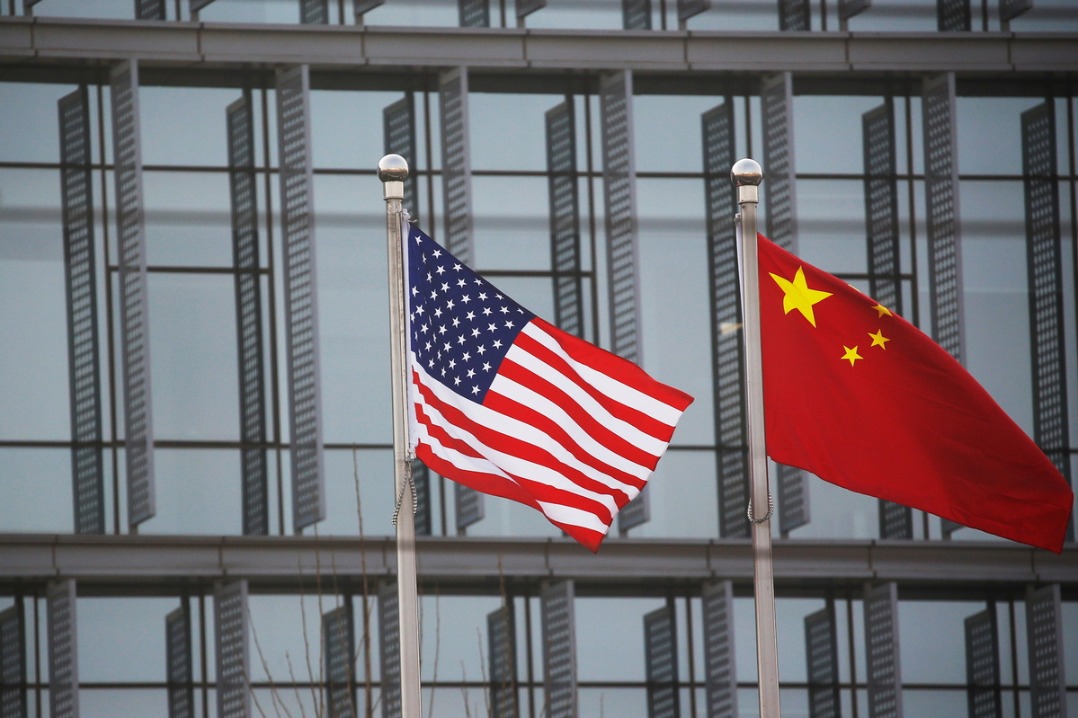
In confronting these challenges, it is crucial for Pakistan and Iran to set aside their differences and prioritize dialogue. Collaborative efforts are essential to identify and eradicate common threats that aim to destabilize the region. A high-level diplomatic engagement is necessary to address the underlying causes of discord and promote cooperation in areas such as intelligence sharing, border management, and counter-terrorism measures. Additionally, in the pursuit of regional stability and the collective defeat of shared adversaries, China emerges as a pivotal player capable of facilitating dialogue and reconciliation between Iran and Pakistan. Leveraging its diplomatic finesse and commitment to peaceful solutions, Beijing holds a unique position to mediate and foster discussions between these two fraternal nations. China's amicable relations with both Iran and Pakistan provide a solid foundation for constructive engagement, and its substantial investments in the Balochistan province, particularly through the Gwadar Port under the flagship project of the China-Pakistan Economic Corridor (CPEC) in the Belt and Road Initiative, further underscore its stake in regional affairs.
China's diplomatic acumen, combined with its substantial economic interests in the region, positions it as a trusted mediator. The CPEC, linking Gwadar Port in Balochistan to Northwest China's Xinjiang Uygur autonomous region, represents a transformative initiative that not only bolsters economic cooperation but also strengthens the geopolitical ties between Beijing, Tehran, and Islamabad. As a major stakeholder in the success of the CPEC, China has a vested interest in ensuring the stability and security of the region. This vested interest, coupled with its historical approach of non-interference and respect for national sovereignty, makes China an ideal candidate to mediate discussions and facilitate a diplomatic resolution between Iran and Pakistan.
By leveraging its influence and diplomatic channels, Beijing can encourage Tehran and Islamabad to prioritize dialogue over discord. China's experience in navigating complex geopolitical scenarios positions it as a bridge-builder, offering a neutral platform for both nations to address their concerns, share intelligence, and collectively counter the threats emanating from anti-state elements operating in the region. This collaborative effort, under China's mediation, not only holds the potential to quell tensions but also to pave the way for enhanced regional cooperation, promoting the broader goals of the Belt and Road Initiative.
The recent attacks originating from both Iran and Pakistan underscore the urgent need for collaboration between these brotherly nations. Upholding the principles of the United Nations, respecting the sovereignty of each other, and recognizing the interconnectedness of their destinies are vital steps toward fostering regional stability. As external forces continue to exploit regional fault lines, it is crucial for Iran and Pakistan to remain vigilant and unite against common threats. China's strategic position and positive relations with both nations present a unique opportunity for mediation, emphasizing the importance of collective efforts and adherence to principles such as respecting sovereignty and recognizing interconnected destinies in overcoming challenges and securing a resilient future for the region.
The author is Qaiser Nawab, serving as the President of the Belt and Road Initiative for Sustainable Development (BRISD), is an expert in International Relations and Risk Analysis.
The views do not necessarily reflect those of China Daily.
If you have a specific expertise, or would like to share your thought about our stories, then send us your writings at opinion@chinadaily.com.cn, and comment@chinadaily.com.cn.