West's narrative dismally downbeat









Since 2015, the organizers of the Munich Security Conference have been releasing thematic reports, showing their ability to shape global discourse on security and draw attention to critical international security events, thereby expanding their influence. While factual accuracy is important, it is not the security conference's primary focus. Instead, the conference's perspective on issues and its ability to generate topics help direct global attention toward a Western-dominated narrative in order to retain the West's ideological leadership.
The narrative style of the West remains noteworthy. Examining the thematic framing of recent MSC reports, a prevailing tone of loss emerges. For instance, themes such as "Westlessness" in 2020, "Competition and Cooperation" in 2021, "Unlearning Helplessness" in 2022, "Revision" in 2023, and "Lose-Lose" this year have draped successive conferences in a somber atmosphere.
Having attended the 2024 Munich Security Conference, I experienced this atmosphere firsthand. UN Secretary-General Antonio Guterres expressed concern over the existing international governance system during the opening ceremony, while the organizers mourned the passing of dissenters and mournful music filled the venue, echoing the Western narrative of "lose-lose". This atmosphere persisted during the discussions throughout the conference. This narrative reflects several international political realities:
First, it underscores Western, particularly European, anxiety over the current state of affairs and its insecurity amid multiple challenges. It also demonstrates Europe's acute crisis awareness and adept narrative shaping ability, indicative of Western soft power.
The pessimistic tone of the discourse also reveals that Europe is in a deep-seated crisis. Europe is currently beset by many crises — such as the immigration crisis, the Russia-Ukraine conflict, the Israel-Palestine conflict and political polarization — leading to its diminishing global presence and growing inability to overcome internal crises.
This insecurity and anxiety are reflected in the conference reports. "Westlessness" highlights Western concerns over the West's dwindling significance and the disorder in the Western system, while "Unlearning Helplessness" indicates Western frustration over its inability to overcome crises. "Lose-Lose" reflects Western dissatisfaction with challenges and disruptions to the rules-based international order it established. Therefore, the negative narrative reflects the challenges facing the West.
Second, it illustrates how the West manufactures contradictions through melancholic narratives to seek relief from its crises and dissatisfactions, deflecting attention from its internal crises. There are numerous ways to address crises, but manufacturing dejection to resonate with the public and media to navigate crises is a common Western policy.
The West has been adhering to a binary narrative tradition, emphasizing zero-sum logic. In the long run, it seeks to further establish its moral and orthodox position, actively excluding others or attributing unjust or unstable factors to others. Popular narratives like "democracy versus authoritarianism", "us versus them", "win-win versus lose-lose", and "system defenders versus revisionists" all exemplify this binary narrative analysis.
The 2024 Munich Security Conference report continues this trend, attributing problems in the rules-based international order to the external influences and disruptions, particularly authoritarianism and the alleged revisionism plaguing the Western system, resulting in dysfunction and rule-breaking both within and outside the system.
This narrative sidesteps the genuine internal problems in the West, such as the rise of right-wing extremism and political polarization stemming from the refugee crisis, identity politics, politicization of values, and the pan-security political ecology caused by the Russia-Ukraine conflict. The West must acknowledge its accumulating internal contradictions which prevent it from finding genuine solutions to its problems.
Third, the West aims to strengthen systemic confrontation and rally like-minded allies against its perceived rivals to maintain and expand its influence. The ultimate goal of its narrative of despondency is to attract more sympathizers, garner support and strengthen its camp to collectively oppose parties that do not adhere to its ideology.
The Munich Security Conference intensified the criticism of "revisionists" to garner support of the West's allies for the so-called rules-based international order and bolster the Western camp.
While the conference has cautiously expanded its scope, engaging developing countries or the Global South, this inclusiveness faces significant challenges since official representatives from "authoritarian countries" such as Russia, the Democratic People's Republic of Korea and Iran were not invited. The Global South fundamentally requires a peaceful global environment and resents external pressure to take sides.
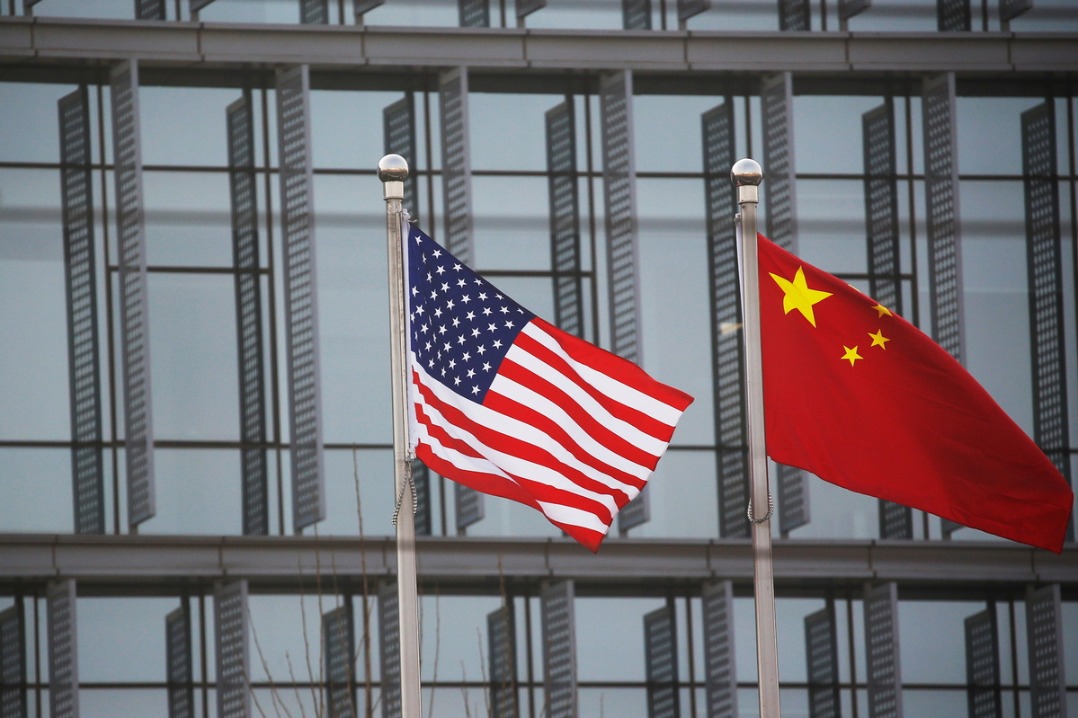
China has gradually strengthened its presence at the Munich Security Conference and has been promoting dialogue and cooperation with Western countries. However, at the conference, Western officials often inquire whether China feels uncomfortable. This is because at West-led international conferences and forums, China frequently faces criticism and is often called a revisionist country, or considered a challenger to the international rules-based order.
The conference has been held for 60 years, and its openness, freedom, and sustainable arrangements are undoubtedly commendable. However, the underlying conviction of the Western countries in their ideology and their deeply ingrained suspicion and vigilance against countries that follow different systems and development paths should not be overlooked.
They spare no effort in shaping their own moral sense in the media and denouncing others. Initiatives such as AUKUS, the QUAD and the "Five Eyes" alliance all demonstrate the exclusive nature of the Western system, which means it lacks natural legitimacy and representativeness.
The melancholic narrative also makes the West forget the pioneering and adventurous spirit, openness and globalism inherent in capitalism. The narrative is a concentrated reflection of the development of Western capitalism to a sorry state, contrary to the positive, upward and optimistic spirit pursued by the rest of humanity.
The positive, upward and optimistic spirit is what the West needs to instill in itself. It seems the West has abandoned the spirit of Enlightenment, Renaissance, Reformation, the Industrial Revolution as well as the ubiquitous spirit of innovation, which have made Europe and the United States the centers of global learning and rationalism. Europe and the US need to reclaim this spirit.
The author is deputy director of the Institute of European Studies, Chinese Academy of Social Sciences. The views don't necessarily reflect those of China Daily.
If you have a specific expertise, or would like to share your thought about our stories, then send us your writings at opinion@chinadaily.com.cn, and comment@chinadaily.com.cn.