The complexities of a political system cannot be simplified










The political world seems to be caught in an intense debate on the forms and practices of democracy. The debate, largely based on the different viewpoints on and attitude toward democracy, is often characterized by political descriptions, utilitarian considerations, biases and strong emotions.
To begin with, it is necessary to uphold democracy while remaining vigilant against the pitfalls of what can be termed as "democratic idolatry". Democracy can also be described as a fundamental political system and power architecture that ensures the participation of different social groups in a country's political and social affairs, and creates space for individuals and collectives to voice their opinions. Despite its historical significance and positive social characteristics, however, no one form of democracy should be deified as the ultimate political system.
Yet "democratic idolatry" exists, both at the domestic and global level, because democracy is worshipped as an infallible deity, immune to scrutiny and criticism. This approach, often based on Western democratic standards, undermines the exploration of alternative democratic paths by countries, and perpetuates narrow-mindedness and short-sightedness.
Furthermore, a nuanced understanding of the dual nature and contradictions inherent in Western-style democracy is essential. While Western developed countries have mature democratic institutions, these institutions are not without flaws. Despite their logical coherence, institutional integrity and commendable performance, they still exhibit aspects of injustice and hypocrisy. And the manipulation of these institutions and the political system they represent by elite groups to serve their own interests, coupled with the disengagement of marginalized social groups, often results in operational inefficiency and wrong decisions.
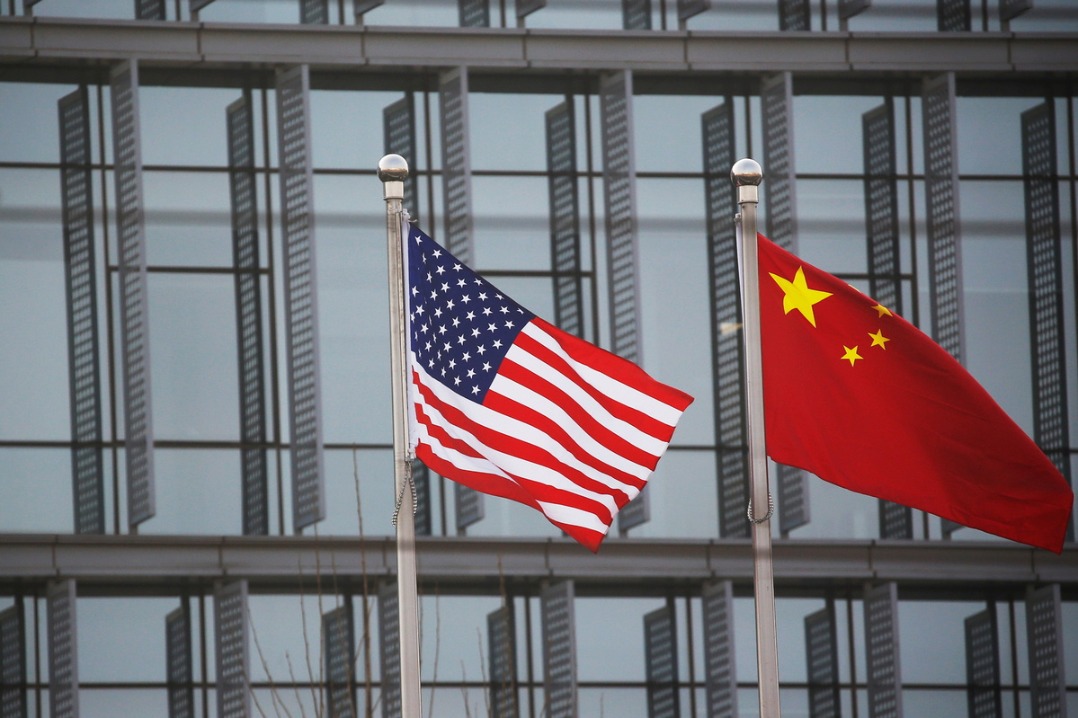
Western-style democracy also manifests profound contradictions in its domestic and global practices, oscillating between democratic practices at home and autocratic acts internationally. This inconsistency has become even more evident in recent events, including in the Summit for Democracy that US President Joe Biden launched in 2021, with its latest edition being held in Seoul, the Republic of Korea, from March 18 to 20. The summit delineates alliances based on self-interests instead of genuine democratic principles. The invitation to countries with poor democratic records to attend such summits exposes the superficiality of the organizer's claimed democratic values.
That Western-style democracy has built a democratic facade domestically and exhibits autocratic, even tyrannical, tendencies globally becomes clear when analyzing the Summit for Democracy. The summit, which Biden orchestrated, is based on dividing camps and building walls to serve the US' interests. As such, its democratic narrative is nothing but mere rhetoric.
When it comes to China, while recognizing the achievements of its democratic practices, it is essential to approach the subject carefully. China's journey toward democracy is marked by resilience and adaptation to the changing times, which allowed the country to gradually align with global trends since the launch of reform and opening-up.
The Communist Party of China's endorsement of socialism with Chinese characteristics and the emphasis on universal human values, including democracy, signify the country's commitment to nurture and uphold democratic values, and advocate their adoption globally.
China practices a form of democracy, from the top to the grassroots level, which best suits its national conditions. It is called "whole-process people's democracy" and is characterized by people's participation in deliberations and decision-making, as well as supervision of the government.
For instance, deputies to the National People's Congress are elected through democratic votes and are accountable to the people. In China, individuals of any ethnic group, profession, gender or social status can be elected to any political post, and entrusted with the power bestowed by the people to serve the country. All 56 ethnic groups in China elect their deputies to the NPC and members to the National Committee of the Chinese People's Political Consultative Conference.
Whole-process people's democracy covers all aspects and stages of the political process, including democratic elections, consultations, decision-making, administration and supervision, with each step closely linked with the rest. Institutions and organizations at all levels practice whole-process people's democracy, yielding significant results in different fields. Although whole-process people's democracy is still evolving, it signifies China's democratic exploration of a governance path distinct from Western-style democracy.
While different people may interpret these fundamental realities differently, only the rabidly biased will deny their existence. By identifying ideological debates on democracy for what they are and exposing political rhetoric masquerading as democratic narrative, we can gain a clearer understanding of the essence of democratic discourse.
As we navigate the complexities of democracy, it is essential to foster an environment conducive to promoting open dialogue, constructive criticism and mutual respect. For that, we need to transcend ideological barriers, embrace diversity of thought, and ensure democratic principles are upheld without falling into the trap of "democratic idolatry". Only through genuine engagement and collaboration can we strive toward a more inclusive and effective democratic framework which would address the needs and aspirations of diverse social groups worldwide.
The author is a professor in the department of literature and history research at the Party School of the CPC Central Committee. The views don't necessarily reflect those of China Daily.
If you have a specific expertise, or would like to share your thought about our stories, then send us your writings at opinion@chinadaily.com.cn, and comment@chinadaily.com.cn.