Chinese economy resilient to fluctuations









China's GDP grew by 5.0 percent in the first half of this year, with the second quarter growth of 4.7 percent being slightly lower than the first quarter. The GDP growth figures show not only the resilience and dynamism of the Chinese economy amid global economic uncertainties and domestic structural adjustments but also the effectiveness of government policies.
China's economic performance has been robust, with its GDP increasing from 99 trillion yuan ($13.62 trillion) in 2019 to 126 trillion yuan in 2023, achieving a year-on-year growth of 5.2 percent. Despite facing challenges on both the domestic and external fronts, the Chinese economy has maintained a stable growth trajectory.
By the end of 2023, China accounted for 18.5 percent of the global GDP, an increase of nearly 5 percentage points from 2013.
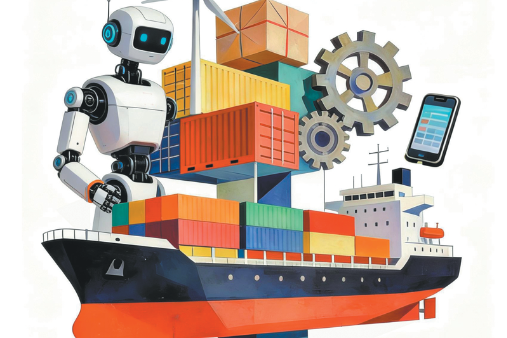
In the new era, China has been pursuing high-quality development, while enhancing its resource efficiency and reducing its dependency on the global markets. Nowhere is this more evident than in the manufacturing sector, where China has emerged as a global leader. China now accounts for 35 percent of the global manufacturing output, exceeding the combined total of all industrialized economies. In terms of value-added manufacturing, China accounts for about 30 percent of the global total, twice as much as the United States'.
The continuous growth of China's manufacturing sector, coupled with the strategic shift toward services, shows China's successful pursuit of economic transformation. By 2023, the manufacturing sector's contribution to China's GDP had decreased to 26.18 percent, while the services sector's share had risen to 54.6 percent. This transition underscores China's commitment to optimizing its industrial structure and enhancing productivity across sectors. Even as the Chinese economy shifts from manufacturing to services, improved productivity continues to drive growth in value-added manufacturing, with a steady increase in its global market share.
This success can be attributed largely to the concerted efforts of the government and enterprises to promote technological innovation and upgrading. Supply-side reforms and the development of new quality productive forces have prompted enterprises to increase investments in research and development, and develop autonomous technologies, which in turn have made China a global leader in fields such as new energy, new materials and intelligent manufacturing.
In particular, China leads the world in the new energy industry, including in electric vehicles (EVs) and EV batteries. China's rapid ascent in the auto industry is the culmination of decades of industrial development, signifying its entry into the ranks of global industrial powerhouses.
On the demand side, China's dependency on the global markets has greatly declined, with goods trade as a percentage of GDP dropping from the peak of 64 percent in 2006 to 33 percent in 2023. Similarly, China's current account surplus as a percentage of GDP declined from 9.95 percent in 2007 to 1.5 percent in 2023, reflecting the Chinese economy's decreasing dependence on export-driven growth.
To effectively navigate the tumultuous waves of the global economy and pursue sustainable, high-quality development, the government has implemented a series of measures. First, it has taken measures to deepen reform and opening-up to optimize the business environment, enhance market orientation and boost economic vitality. It has also increased investments to promote innovation and boost R&D to facilitate industrial upgrading and structural transformation.
Second, in response to the global uncertainties, as well as to mitigate risks and enhance China's position and influence in the global market, the government has been diversifying trade, deepening economic cooperation with Belt and Road countries, and reducing its reliance on single markets.
And third, China has been sharpening its corporate competitiveness edge through technological innovation, product upgrading, and market expansion.
Yet China faces the dual challenge of sustaining growth while addressing emerging global economic uncertainties. As the global economic dynamics evolve, China must enhance its economic resilience and better safeguard its growth momentum. And to maintain sustainable growth, it should prioritize initiatives aimed at boosting domestic consumption, bolstering its industrial structure, and pursuing innovation-driven development.
Due to the unpredictability of the external environment, China will need to further reduce its reliance on foreign trade. Since it is difficult to directly influence external demand, China should focus on strengthening its domestic market by developing new quality productive forces and pursuing high-quality development. By doing so, it can avoid cutthroat competition with other economies, because such a competition could lead to price wars and compromises in product quality, thereby damaging China's international image and competitiveness.
China should also make efforts to bolster the domestic economy and establish a unified national market, for which it needs to reform the fiscal and tax system in order to reduce the intertwined interests of local governments and local industries, and develop a uniform national consumer market.
Moreover, China should take measures to increase household incomes by, among other things, better protecting labor rights. At the same time, it should moderately relax regulatory measures to build a social atmosphere more conducive to high-quality, sustainable development.
The author is the dean of the China Institute for WTO Studies at the University of International Business and Economics.
The views don't necessarily reflect those of China Daily.
If you have a specific expertise, or would like to share your thought about our stories, then send us your writings at opinion@chinadaily.com.cn, and comment@chinadaily.com.cn.