The Belt and Road Initiative: Impact on Ghana's development










Over recent decades, China has been at the forefront of championing multiple global initiatives, including the Global Development Initiative, the Global Security Initiative and the Global Civilization Initiative. One such global development initiative is the Belt and Road Initiative (BRI).
The Belt and Road Initiative (BRI) is a massive infrastructure development and investment strategy launched by the Chinese government in 2013 with the goal of connecting Asia, Europe and Africa through a network of land and sea routes, promoting economic growth and cooperation.
This initiative aims to promote economic growth in participating countries by creating new market and investment opportunities, improving infrastructure such as transportation and energy networks in underdeveloped regions, and promoting regional cooperation and integration, fostering stronger economic and political ties between participating countries.
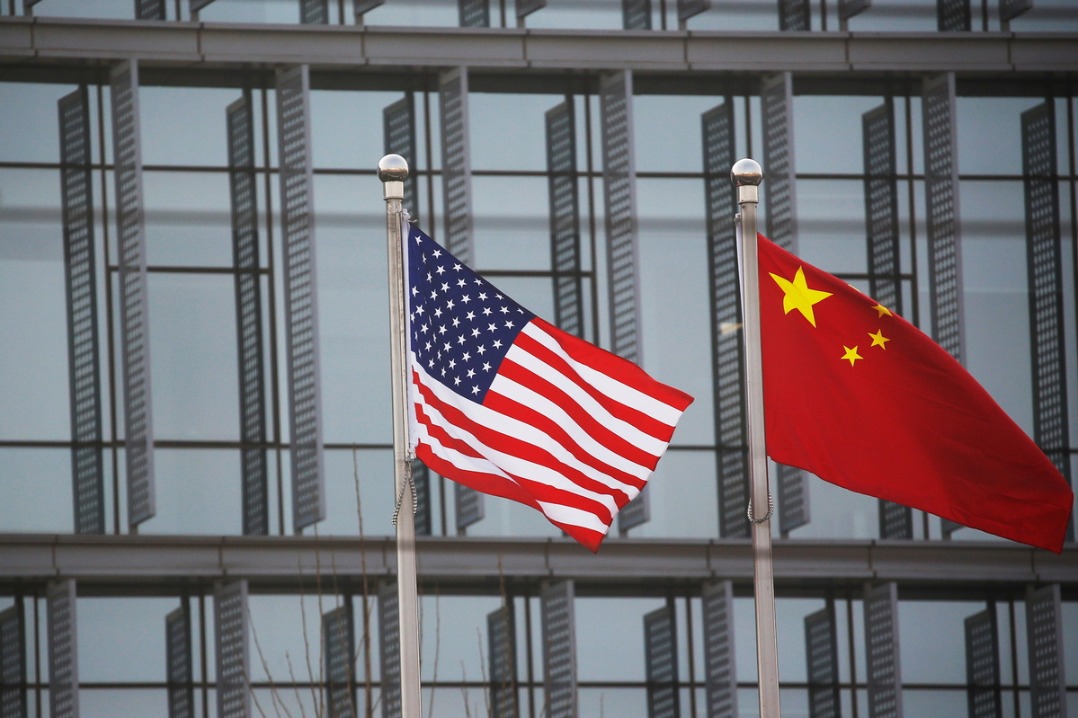
Ghana and China have established a strong diplomatic relationship that dates back to 1960, the same year Ghana gained republic status. This has cemented Ghana's place as one of the earliest countries in sub-Saharan Africa to build diplomatic ties with China. Previously, Ghana and China have established strategic partnerships in economic, agricultural, educational, cultural exchange, health, trade, infrastructure and other areas characterized by mutual respect and cooperation.
In 2018, China's investment in Ghana took a new turn when Ghana signed on to the BRI. This agreement has paved the way for several significant projects and benefits, boosting the country's socio-economic development. As the Belt and Road Initiative marks its tenth anniversary, it is an opportune time to celebrate its achievements in various nations.
This article will highlight some key projects and benefits Ghana has enjoyed as a BRI partner in areas such as infrastructural development, education and cultural exchange and economic growth.
Infrastructural development
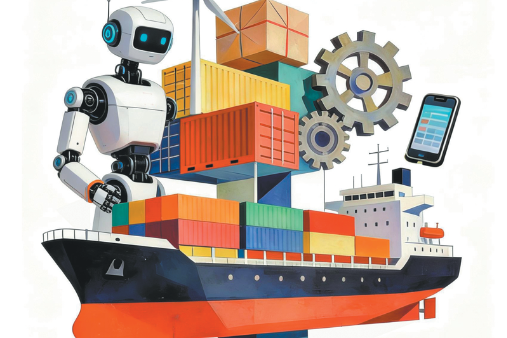
One of the significant projects of the BRI in Ghana is the Tema Port expansion project, which is expected to transform Ghana's maritime capabilities and boost its socio-economic development. It is set to enhance the port's capacity from handling 800,000 Twenty-Foot Equivalent Units (TEUs) to an impressive 3.7 million TEUs per year, positioning Tema Port as the largest port in West Africa.
This project, when completed, will facilitate Ghana's trade with both domestic and international partners, attracting more investment, creating jobs and enhancing economic growth. By increasing capacity and strengthening regional connectivity, this project aligns with the goals of the Belt and Road Initiative and positions Ghana as a key player in the global maritime trade network.
China's investment in Ghana extends beyond road construction to include rural electrification, vocational training centers, maritime ports, coastal fishing sites, digital infrastructure and renewable energy, among other areas. Since the inception of the BRI in 2013, China has been financing projects in Ghana. These investments have played a positive role in boosting Ghana's infrastructure and economic development.
The trend of Chinese investment in Ghana also shows diversification, with Chinese tech companies such as Huawei, Tecno Mobile and StarTimes setting up offices in Accra, indicating a shift from hard infrastructure to soft infrastructure along the Digital Silk Road.
Education and cultural exchanges
Ghana and China have had extensive exchanges in educational and cultural areas over the years. To foster cultural exchange between the two countries, China, through its universities and partner universities in Ghana, has collaborated to establish three Confucius Institutes in Ghana: the Confucius Institute of the University of Ghana (CIUG) established in 2013, the Confucius Institute at the University of Cape Coast (CIUCC) in 2016, and the Confucius Institute at the Kwame Nkrumah University of Science and Technology (CIKNUST) inaugurated in 2023. These institutes not only teach the Chinese language but also organize a wide range of cultural events, facilitate student exchanges by offering scholarships to Ghanaian students to study in China, and promote exchanges between Ghanaian and Chinese universities, allowing students to experience different cultures and educational systems, as well as joint research and faculty exchanges. Through these activities, the cultural gap between Ghana and China has been bridged, fostering mutual understanding, respect and cooperation.
Numerous Ghanaian students are beneficiaries of Chinese government scholarships. In 2019, Ghanaian students topped the African student population in China, with 6,500 international students coming from the country.
In the area of Vocational and Technical Training (VET), China has supported the establishment and upgrading of technical schools in Ghana to provide vocational training in various fields such as carpentry, plumbing and electrical engineering.
Chinese experts have also assisted in developing curricula and training materials for VET programs. Some of the beneficiaries of this program include Kumasi Technical University and Cape Coast Technical University.
Economic cooperation
Ghana and China have achieved significant economic cooperation under the BRI. This cooperation has provided a framework for both countries to strengthen their economic ties through various projects and initiatives. China remains Ghana's largest trading partner and a major source of foreign investment. The bilateral trade between China and Ghana has increased significantly under the BRI, with Ghana becoming an important market for Chinese exports, while China has become a major source of imports for Ghana. Chinese companies have invested in various sectors, including mining, agriculture and manufacturing, creating jobs and boosting Ghana's economy. China's investment in the expansion of Tema Port and the construction of new railway lines has improved connectivity and trade efficiency.
In 2018, both countries signed the China-Ghana Free Trade Agreement (CGFA), which entered into force in January 2021. This agreement aims to reduce trade barriers between the two countries and promote economic cooperation, strengthening the economic relationship between China and Ghana, leading to increased trade, investment and economic growth for both countries. This agreement has seen an influx of Chinese investors and firms in Ghana, creating job opportunities for Ghanaians.
The Asogli Power Plant project, an investment cooperation between Chinese and Ghanaian power investors, has played a significant role in Ghana's energy sector, becoming one of the largest thermal power plants in the country and contributing substantially to the nation's electricity generation capacity.
Michael Oduro is M.A. student at Beijing Foreign Studies University. The views do not necessarily reflect those of China Daily.
If you have a specific expertise, or would like to share your thought about our stories, then send us your writings at opinion@chinadaily.com.cn, and comment@chinadaily.com.cn.