'New energy trio' next growth engine for Asia-Pacific










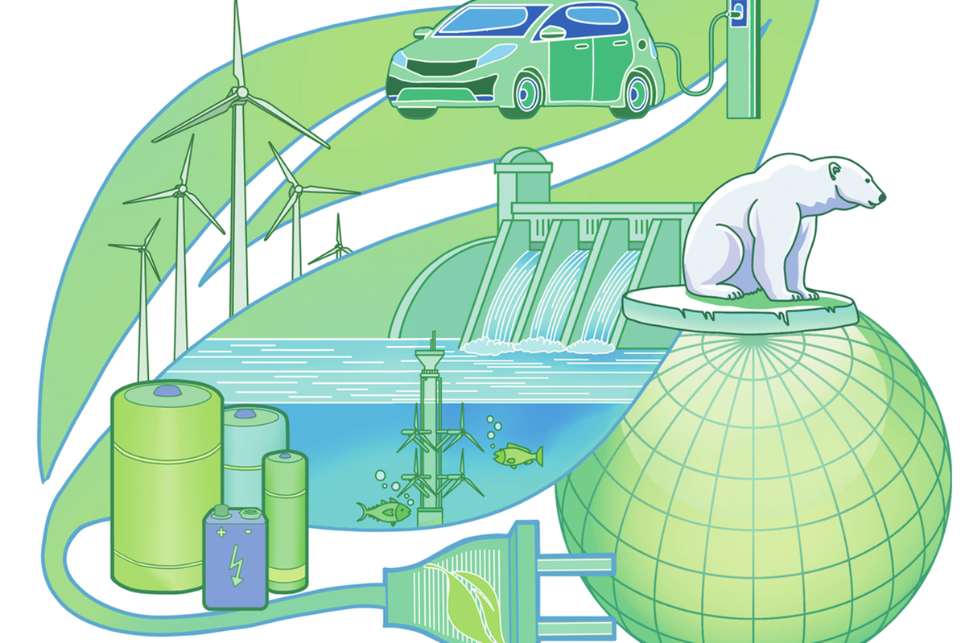
Chinese-made electric vehicles, lithium batteries and solar photovoltaic products, the "new trio", have been praised and marveled worldwide. Known for their affordability, eco-friendliness and high quality, these products have come to symbolize Chinese manufacturing.
According to China's General Administration of Customs, the combined export value of the "new trio" reached 1.06 trillion yuan (about $140 billion) in 2023, breaking the trillion-yuan mark for the first time. China's EV exports, for instance, increased by 77.2 percent year-on-year to 1.2 million units.
Chinese companies now dominate the global battery market with more than 60 percent share, with six of them being on the top 10 battery exporters' list. China is also the global leader in solar photovoltaic panel production, accounting for 74 percent of global EV battery patents. It is also the largest producer of EVs in the world.
Several factors have fueled China's rapid rise in the new energy sector: rich and relatively inexpensive mineral resources, a steady stream of raw materials, and huge investments in research and development.
Additionally, China's vast domestic market has helped Chinese EV manufacturers achieve economies of scale, which in turn has expedited both production and innovation. And China's robust supply chain and well-developed industrial ecosystem have further optimized resource allocation, reducing production costs and increasing efficiency.
As close trading partners of the Chinese mainland, economies in the Asia-Pacific region have played a vital role in the country's economic growth. In 2022, trade between the Chinese mainland and the Asia-Pacific economies reached a whopping $3.1 trillion, accounting for 36.8 percent of China's total foreign trade.
This means the Asia-Pacific region can use Chinese new energy products to achieve regional low-carbon transition and boost economic growth and technological advancement, as well as reduce the threat posed by climate change.
Growing environmental awareness across the Asia-Pacific has prompted the regional economies to pursue low-carbon development and achieve green transformation. And China's eco-friendly and affordable new energy products can help the region's economies shift to a greener, more efficient and secure energy system.
In fact, the rapid growth of China's new energy sector and the country's extensive collaboration with Asia-Pacific economies are creating new jobs, adding value to related industries, opening fresh avenues for economic growth and paving the way to a more prosperous future.
The potential for new energy collaboration between the Chinese mainland and other Asia-Pacific economies is immense. So, based on the principle of mutual benefit, they should expedite their economic integration, uphold free trade and promote stable and shared growth. The Chinese mainland, on its part, is eager to work with its Asia-Pacific partners to widen global cooperation in new energy and inject new vitality into the region's economy.
The Chinese mainland and the other Asia-Pacific economies can strengthen their trade ties in new energy by establishing a cooperation framework for regular high-level dialogues, in order to reach comprehensive agreements on different issues. By aligning their visions and goals, they can collaborate in multiple new energy sectors, while governments should take measures to boost the new energy sector, including offering tax incentives, reducing tariff barriers and streamlining regulatory processes.
Close collaboration across the supply chain is another key factor that can further strengthen the regional new energy partnership. The Chinese mainland and other Asia-Pacific economies should deepen cooperation, if not partnerships, in every link of the new energy value chain, including R&D, establishment of industrial parks, and sharing market resources, so as to synergize the industrial ecosystem.
Since encouraging Chinese new energy companies to set up R&D centers and production facilities in the Asia-Pacific will foster localized operations, reduce costs and boost market competitiveness, the Chinese mainland and other Asia-Pacific economies should explore different cooperation models, such as technology sharing, capital partnership and market expansion to jointly develop markets and conduct collaborative research in new technologies.
To expand the market for new energy products, all the economies in the region should work to simplify market entry requirements, foster broader cooperation and strengthen regulatory collaboration to raise industry standards and improve product quality and safety in order to better protect consumer rights across the region.
By embracing cooperation and seizing new opportunities, the Chinese mainland and other Asia-Pacific economies can seize the opportunities created by the "new trio" to build a future that is greener, more efficient and prosperous for all.
Yang Guoliang is a professor at the Institutes of Science and Development, University of Chinese Academy of Sciences; and Chen Zhenling is a professor at the School of Economics, Beijing Technology and Business University.
The views don't necessarily represent those of China Daily.
If you have a specific expertise, or would like to share your thought about our stories, then send us your writings at opinion@chinadaily.com.cn, and comment@chinadaily.com.cn.