Competitive spirit and rational fandom define true sports culture









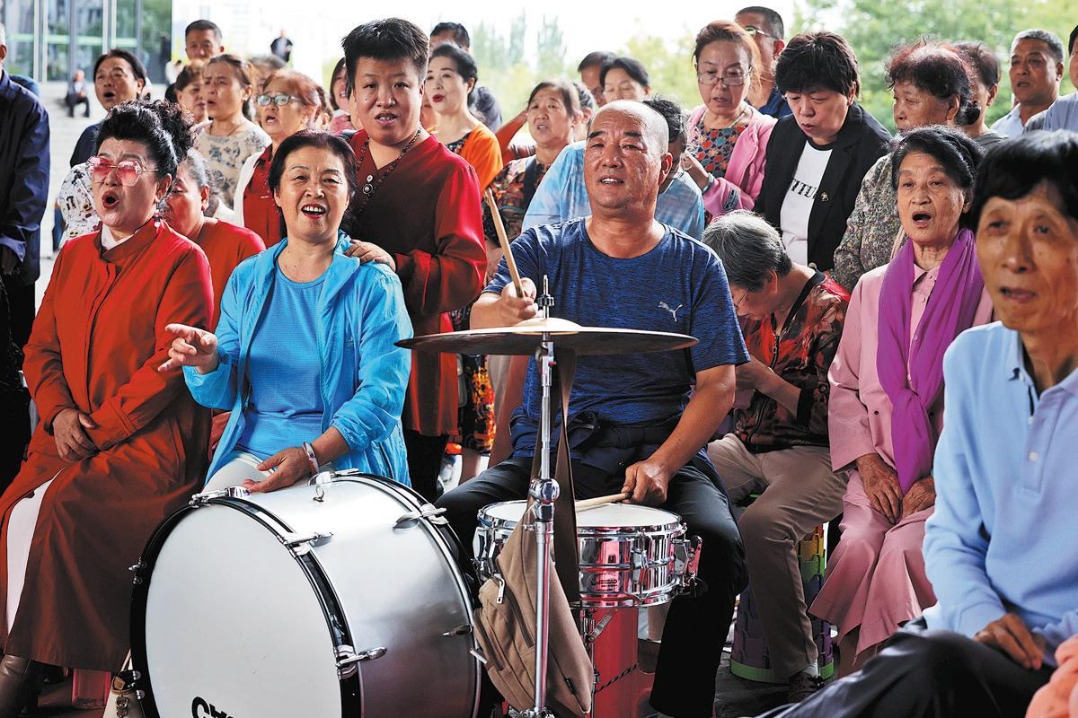
The number of sports fans continues to increase in China thanks to the development of the sports industry and the increase in people's demand for sports-related services. However, the chaotic fandom culture has severely disrupted the development of the sports industry. To address the problem, some government departments have carried out many special campaigns and a number of athletes have issued statements or disbanded their fan groups on Weibo, China's leading microblogging platform, to express their opposition to aggressive fan culture. Yet the overzealous behavior of "sports fan circles" continues despite being banned by the authorities.
Modern sports have been commercialized, with athletes as the main body, events as the carrier and spectators or fans as the core source of profit.
With the development of China's economy and the improvement in people's living standards, participation in and consumption of sports have become more important for people. The growing number of sports fans has benefited sports, injecting new vitality into the sports economy and creating new opportunities for the sports industry.
The diversified demands of fans have given rise to new business formats including sports-related gifts and sports training, and promoted the diversified development of the sports industry. For example, the Thomas and Uber Cup in Chengdu, Sichuan province, last year attracted 128,000 visitors to the city and yielded direct economic benefits of 540 million yuan ($74 million). The support of sports fan is transformed into consumption, which is the most direct commercial contribution of sports fans to the sports industry.
Sports fans have also helped improve athletes' commercial value, making their "star power" increasingly apparent. Star athletes having a large fan base are like entertainment celebrities. Their economic status and market influence have improved and their earnings have greatly increased because of their incomes from commercial endorsements, entertainment programs and magazine shoots. In addition, the active online platform economy creates new opportunities for athletes to have a constant source of income after retirement.
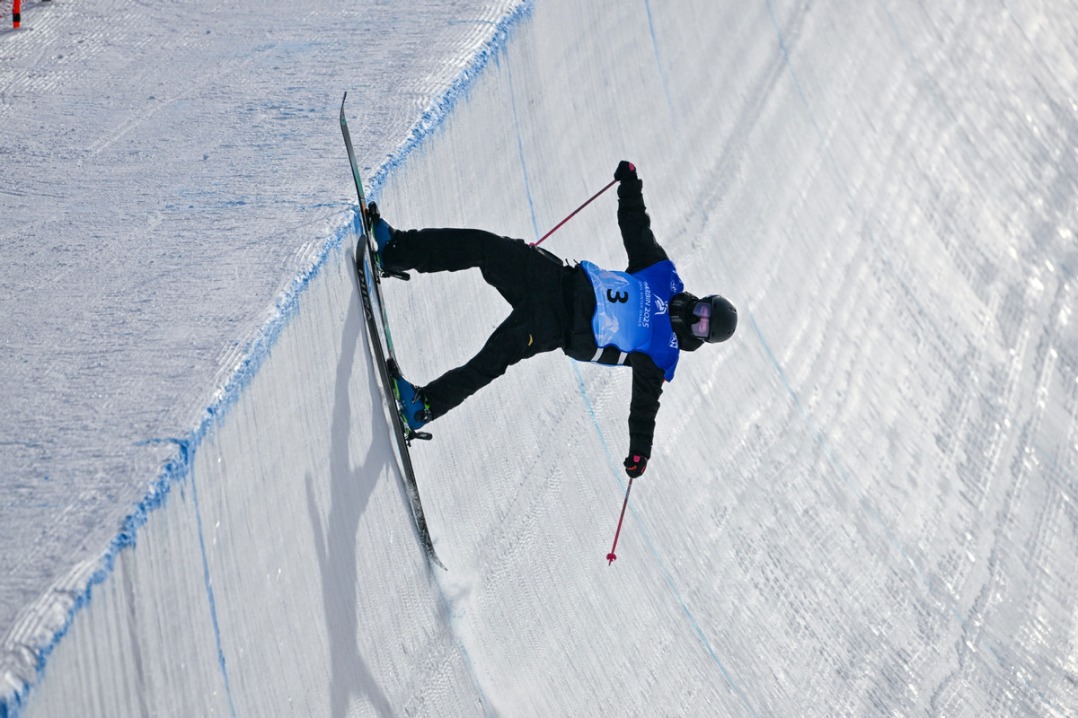
The wonderful performance of some outstanding athletes in high-level competitions has further stimulated people's enthusiasm for sports. But when sports fans organize a "fan circle", the abnormal and chaotic fandom culture invades the field of sports.
A "fan circle" is a group of fans that supports the same athlete or team and shares the same interests. Some fans behave irrationally or become aggressive because they misunderstand the value of sports. They tend to over-idolize athletes or teams and, by doing so, disrupt athletes' normal life and affect their competitive prowess with irrational online and offline behaviors.
The abnormal fan culture has damaged the relationship between the public and athletes, the economic benefits and social effects of sports, destroying the development environment of China's sports industry.
There is an essential difference between athletes and entertainment celebrities. For the latter, both positive and negative news helps them maintain their popularity and commercial value. As such, they normally take advantage of their fanatical fans to earn commercial benefits. But the situation is different for athletes, whose commercial value is directly related to their physical capability and competitive prowess and winning spirit. High-level sports competitions are the test of not only an athlete's professional skills but also his/her physical and psychological capability.
Some people trade athletes' itinerary information, disrupting public order at airports and hotels, while some so-called fans provoke confrontation among athletes. Under such circumstances, many athletes get frustrated and even face cyber violence. Of course, there are some athletes who cannot resist the temptation of commercial benefits, and eventually give up their sports careers to join the entertainment industry.
Also, certain economic entities offer professional guidance to athletes on how to turn their commercial value into cash, while the managers of some fan clubs take advantage of sports fans' tendency to organize activities and sell sports-related products to make profits, and some online platforms draw internet traffic or occasionally organize ranking activities for profit.
Worse, some fan clubs systematically solicit public opinions online to denigrate some athletes who are in competition with their idols. It is therefore crucial that all parties work together to eradicate the chaotic fandom culture. And to do so, government departments need to formulate regulations, publicize the legal punishment for creating chaos to defend or support an athlete or a team.
The media should adhere to the principle of objectivity in sports reporting, avoid hyping unconfirmed information and help form correct public opinion, while online platforms need to adopt advanced technologies to strictly monitor information sharing, filter out fake news, ban account users who upload inappropriate remarks and organize chaotic, unruly fan activities.
The authorities should also organize online and offline activities, highlighting that good sports culture is all about fans' awareness of the rules, rational thinking and understanding that the true essence of sports lies in sportsmanship and self-transcendence, not in blind following. In short, fan economy is necessary for the development of the sports industry, but it requires the joint efforts of all stakeholders to improve governance, maintain the market order, cultivate a healthy and orderly sports culture and curb chaotic fan culture.
The author is a researcher of sports culture at Shanghai University of Sport.
The views don't necessarily represent those of China Daily.
If you have a specific expertise, or would like to share your thought about our stories, then send us your writings at opinion@chinadaily.com.cn, and comment@chinadaily.com.cn.