Education and innovation bring distant friends closer









Ten years ago, the China-Community of Latin American and Caribbean States Forum was established with the ambitious goal of fostering closer relations between China and the LAC countries in a respectful and lasting manner.
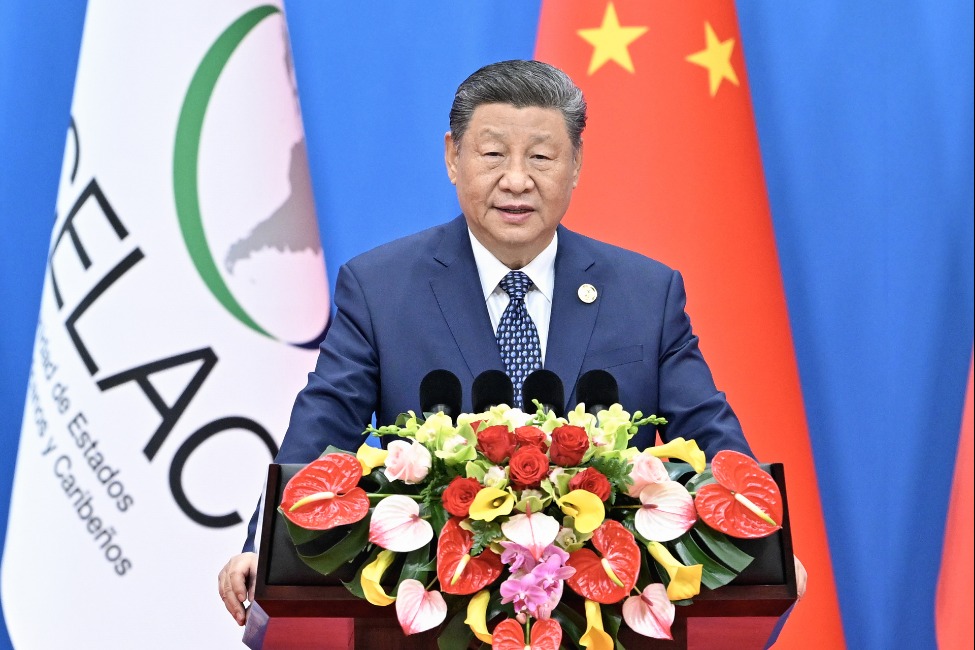
The first ministerial meeting was held in Beijing in early 2015, marking the creation of a new regional bloc aimed at promoting cooperation to boost economic development, and the fourth, too, was held in Beijing on Tuesday and attended by Chinese President Xi Jinping.
Reflecting on this journey, I see beyond diplomatic protocols and trade data — I see stories created by people: the teachers, students, researchers, engineers, farmers and young entrepreneurs who believe in the power of knowledge and international cooperation.
The trade data are pretty impressive. China has become Brazil's leading trade partner, with the bilateral trade volume exceeding $150 billion. A large percentage of Brazil's soybean, iron ore, and oil are shipped to Chinese ports. In return, Brazil receives advanced technologies, electric vehicles, equipment to generate renewable energy, and investment in infrastructure. But more valuable than the impressive figures is the two sides' mutual commitment to promote education and innovation, and improve people's livelihoods.
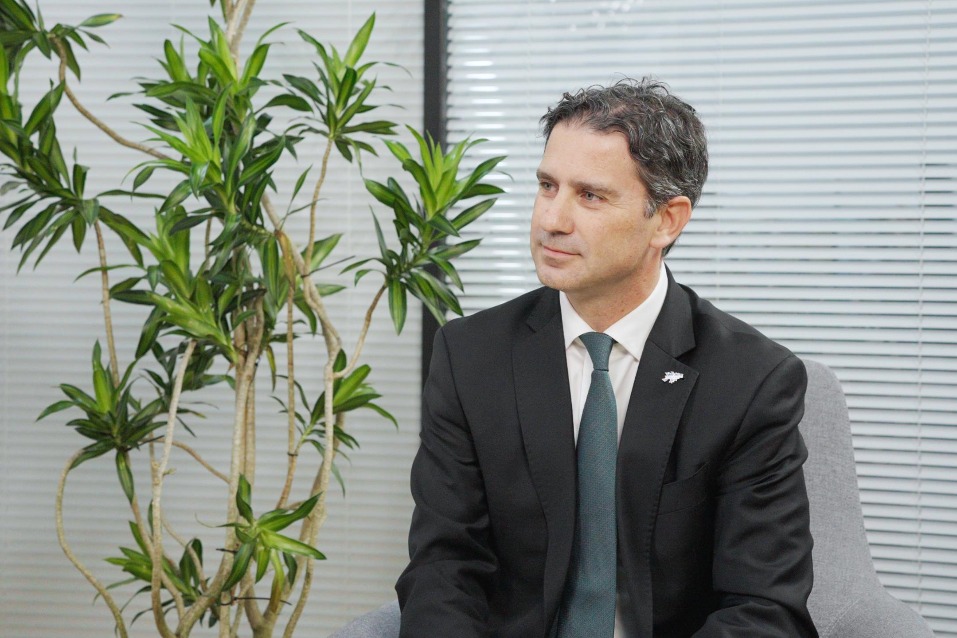
As president of the Brazil-China Friendship Association, I have closely observed this phenomenon, witnessing unprecedented enthusiasm for mutual learning. Brazilian universities, such as the Rio de Janeiro State University where I also teach, have established strategic partnerships with prominent Chinese institutions, including Tianjin Foreign Studies University, Guangdong University of Technology, and Nanjing Forestry University.
These agreements facilitate academic exchanges and joint research. Jo?o Carlos, a Brazilian environmental engineering student, exemplifies this collaboration: he returned from China fluent in Putonghua, his mind brimming with innovative approaches to sustainable waste management.
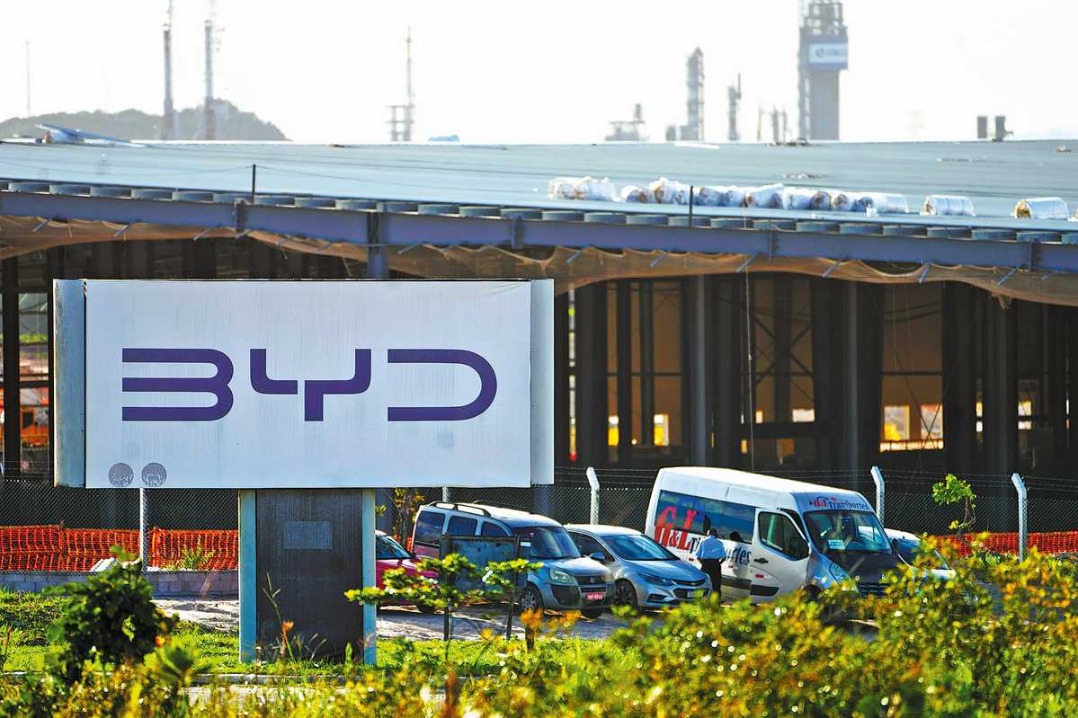
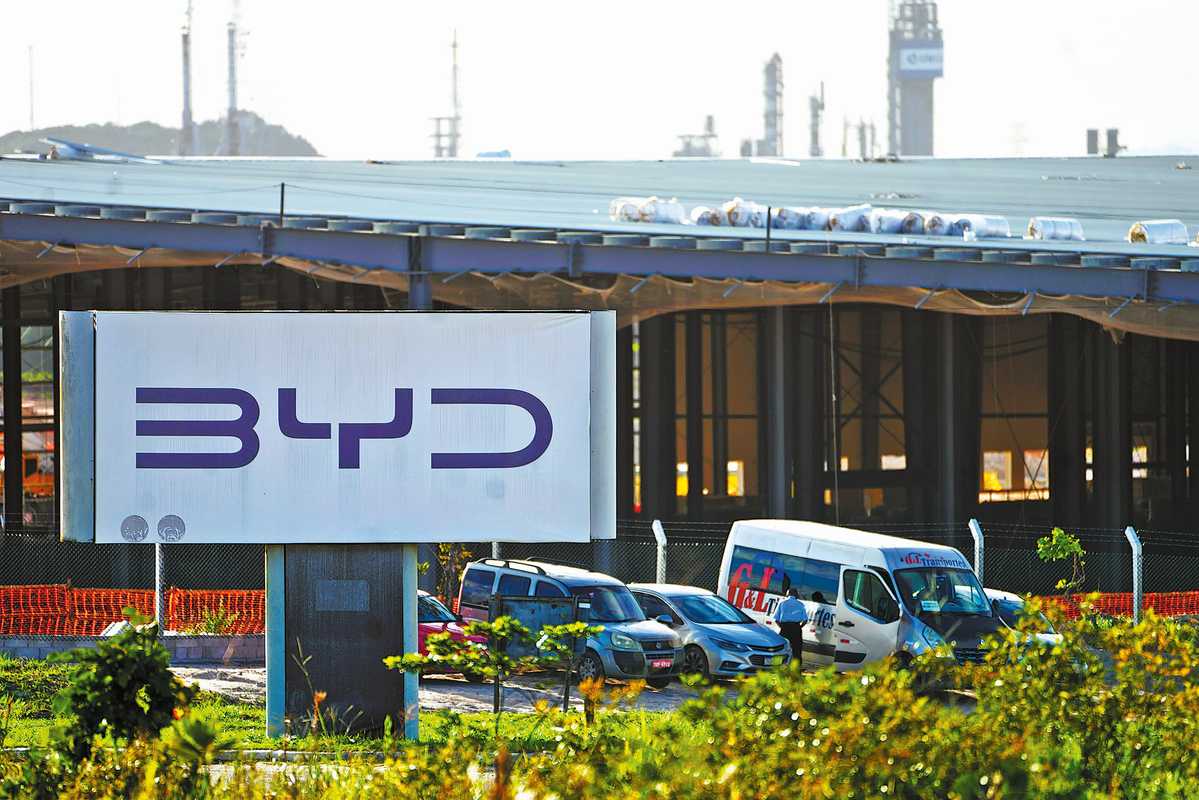
The digital transformation, the rise of artificial intelligence and the global environmental goals have created both challenges and opportunities. Companies such as BYD, currently building an electric vehicle factory in Bahia, Brazil, create not only jobs but also require highly skilled professionals. Projects such as Ferrogr?o, a 933-kilometer railway linking Sinop (Mato Grosso) to the port of Miritituba (Pará) in Brazil, illustrate this growing need for technical training and higher education.
In this scenario, cooperation in education, and science and technology takes center stage. The CBERS program, a joint Sino-Brazilian space initiative, exemplifies this strategic partnership. After decades of collaboration between space agencies and universities of the two countries, the CBERS program has enhanced Brazil's strategic capability to monitor deforestation, climate change and agriculture with scientific precision.
Another notable example is digital connectivity. Huawei operates training centers in Brazil, having already trained more than 30,000 Brazilian nationals in advanced technologies, including 5G, cloud computing and AI. Last month, the China Railway Rolling Stock Corporation entered into a partnership with the provincial government of Rio de Janeiro to establish a train maintenance center in Duque de Caxias, aimed at modernizing the railway system in the state of Rio de Janeiro.
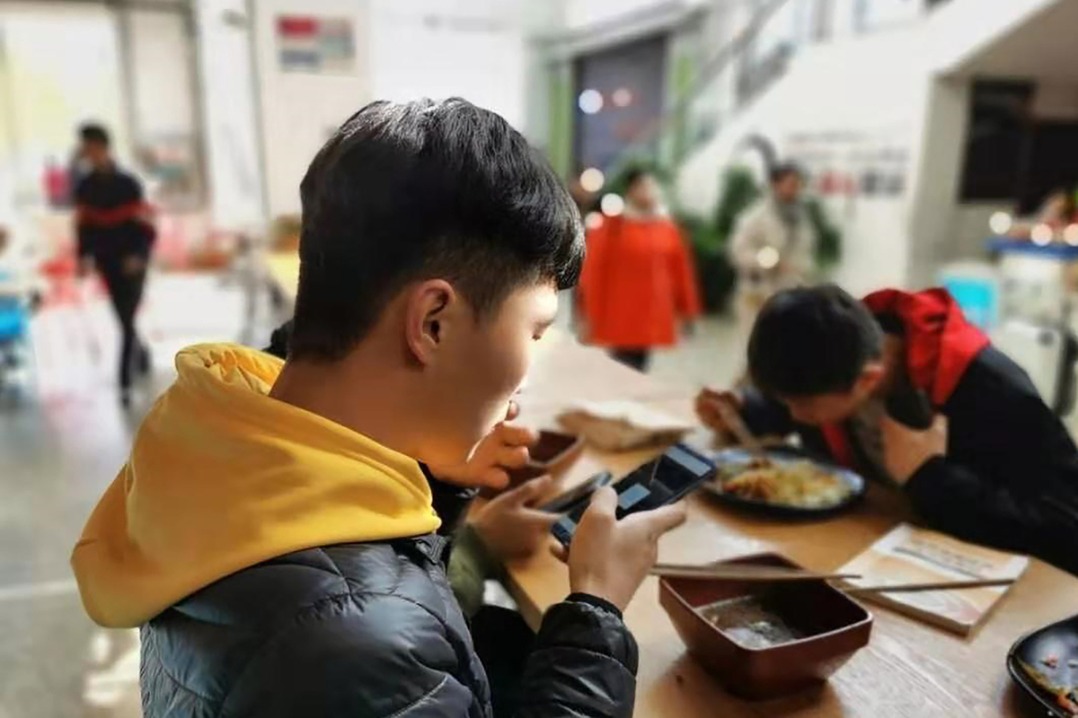
But large-scale projects are not the only ones driving this partnership. Smaller initiatives, too, have had significant impacts: Brazilian teachers teaching Portuguese in China, Chinese students hosting cultural events on the theme of Latin America, and academic centers debating sustainability. The Brazil-China Friendship Association participates in such initiatives, promoting student and cultural exchanges.
One standout initiative is the China-Brazil laboratory on climate change and renewable technologies, a collaboration venture between COPPE/UFRJ and Tsinghua University. The laboratory has conducted innovative research on clean energy and ways to mitigate the climate crisis.
Brazil has been taking measures to strike a delicate balance among various global interests. Amid global trade tensions, Brazil seeks to deepen its relations with China and the Global South, and advocates for autonomous, multipolar diplomacy based on mutual respect to address historic challenges including social inequality, energy transition and inclusive productivity.
As we celebrate a decade of the China-CELAC Forum, it is clear that the greatest legacy of a trade and economic partnership does not lie only in impressive trade figures and investments but also in the determination of the parties involved to build a shared future — where education, science and innovation serve as pillars of sustainable and inclusive development.
The author is the president of the Brazil-China Friendship Association.
The views don't necessarily reflect those of China Daily.
If you have a specific expertise, or would like to share your thought about our stories, then send us your writings at opinion@chinadaily.com.cn, and comment@chinadaily.com.cn.