Green opportunities for 'blue economy'










China and ASEAN opened a new chapter in regional cooperation by signing the Free Trade Area 3.0 Upgrade Protocol in Kuala Lumpur on Tuesday. The upgraded pact, signed just days after China's key meeting to make recommendations for the formulation of the 15th Five-Year Plan (2026-30), demonstrates China's resolve to advance high-level opening-up and promote multilateral cooperation.
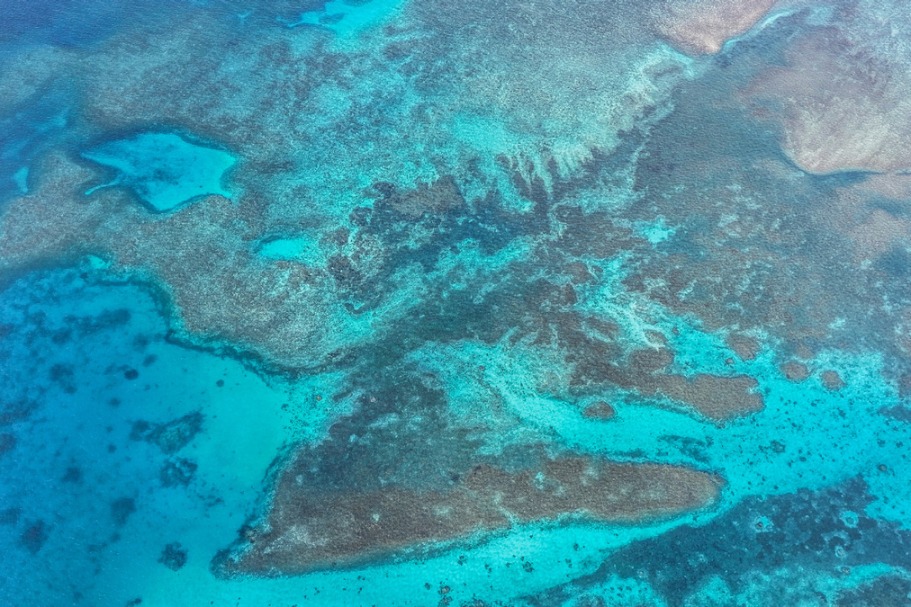
The updated FTA covers nine key areas, including the green economy, supply chain connectivity, technology and small and medium-sized enterprises. Thus it also creates scope for collaboration between China and ASEAN in the "blue economy", which emphasizes the sustainable development of marine resources, revitalizing of coastal economies and safeguarding the fragile ocean ecosystems.
China and most ASEAN nations are maritime neighbors, and their "blue economy" partnerships made significant progress during the 14th Five-Year Plan (2021-25) period. The upgraded FTA brings more opportunities to deepen those collaborations. As China prepares to formulate its 15th Five-Year Plan, cooperation can boost growth, facilitate trade and promote sustainable development.
There are significant opportunities for cooperation in marine science and technology and the development of offshore energy resources. China and ASEAN have already built strong foundations, from SINOPEC's refineries in Singapore, Malaysia and Indonesia to CNOOC's deepwater gas field in South Sulawesi, Indonesia. Cooperation also runs deep in marine data analysis, data product development and capacity building with Vietnam, Cambodia, Malaysia and Thailand.
China's emerging marine industries, including seawater desalination, marine biomedicine and ocean energy, have gathered robust momentum. But it still needs to further develop technologies for deep-sea exploration, offshore drilling and marine biomedicine.
This is where China and ASEAN can set sail together by building joint laboratories, sharing data and fostering collaborative innovation. Governments on both sides can play a guiding role by providing policy support and financial investment. Such collaborative innovation can integrate research with real-world application, thereby turning marine science and technology into a pillar of industrial growth. Efforts should also be made to establish mechanisms that encourage talent exchanges among coastal areas.
The solution lies in shared governance. China and ASEAN can leverage existing platforms such as the Asia-Pacific Fishery Commission under the United Nations Food and Agriculture Organization to make initial progress in developing sustainable fisheries. Simultaneously, they can establish long-term bilateral and multilateral cooperation mechanisms for sustainable fisheries collaboration.
China and ASEAN also need to draw upon European experience to enhance their legal frameworks and law enforcement capabilities to prevent overfishing. They can innovate fisheries resource management models to capitalize on their complementary strengths in fisheries management. But for this to happen, they must shelve their differences and establish marine functional zones tailored to practical fisheries management needs.
The third area of cooperation is coastal ecological protection, which is closely linked to the quality of life in ASEAN countries. For China, with its extensive coastline, safeguarding coastal ecology is crucial.
Strengthening the China-ASEAN blue economy partnership is not just an economic necessity but an environmental imperative. Environmental degradation, rising sea levels, and marine pollution all demand coordinated solutions. Collaborative research on the integrated management of the South China Sea's coastal ecosystems is currently underway. Joint studies on China-ASEAN marine ecology protection have also been conducted.
But there are also challenges. Some ASEAN countries heavily rely on the marine economy but need to do more for coastal ecological protection. There are significant gaps in the coastal ecological governance among these nations. China and ASEAN are yet to establish effective, large-scale bilateral or multilateral mechanisms for costal ecological protection.
Moving forward, both sides should fully leverage existing international frameworks, such as the UN Environment Programme's Regional Seas Programme, which offers extensive experience in coastal ecosystem conservation. Additionally, China and ASEAN countries can consider signing binding cooperation agreements.
Cooperation in marine technology, sustainable fisheries, and coastal ecological protection will not only help ASEAN island states transform and upgrade their marine industries and foster sustainable regional economic development, but also help them overcome the limitations of resource-dependent growth patterns. China and ASEAN's blue economy cooperation and ocean governance can contribute to shared sustainable development.
The author is dean of the School of International Studies, Nanjing University.
The views don't necessarily represent those of China Daily.
If you have a specific expertise, or would like to share your thought about our stories, then send us your writings at opinion@chinadaily.com.cn, and comment@chinadaily.com.cn.