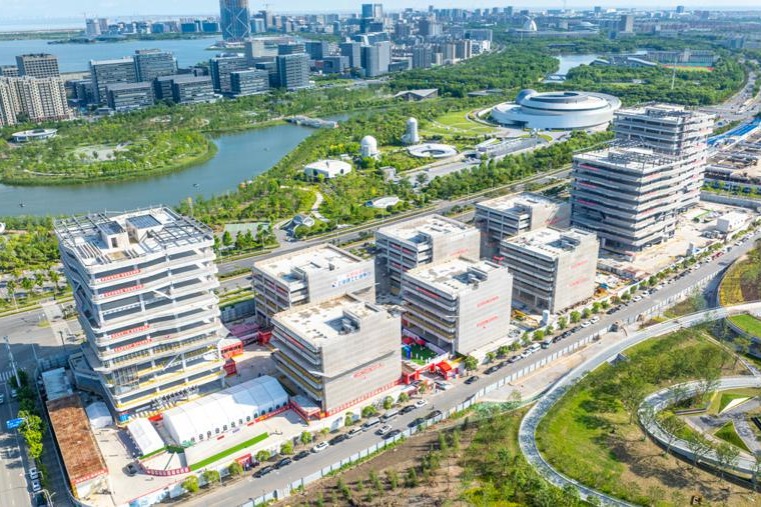
Focus of urbanization improving quality of life










Editor's note: The focus of China's urbanization drive has shifted from large-scale expansion of urban development to improving its quality and efficiency. Zhonghongwang, a media outlet, spoke to Lu Ming, executive dean of Shanghai Institute for National Economy, Shanghai Jiao Tong University, on China's pledge to construct modern cities that are desirable to live in. Below are excerpts from the interview. The views don't necessarily represent those of China Daily.
Technological and institutional innovation are essential drivers of continuous urban development. Cities must improve both their physical infrastructure and governance systems to improve residents' quality of life.
Modern cities should be desirable to live in. Therefore, they should be beautiful, culturally advanced, innovative, resilient and smart.
Desirable to live in is an indicator of the quality of life offered by cities. This is realized by them being environmentally beautiful, culturally advanced, innovative in their governance, as well as resilient and smart. These aspects are reflected in such things as the cost of living, particularly housing, which is a key issue for people's well-being, and the provision of public services, especially those such as healthcare, that directly improve people's quality of life.
It is essential to create a more sustainable housing supply model. This model should ensure that not only can people afford to buy a home, but those with lower incomes can also find suitable housing through government subsidies.
For cities to be beautiful their environmental quality, including their water systems and the preservation of high ecological standards in urban spaces must be enhanced. While the environment in large cities has greatly improved, urban environmental protection remains a challenge due to population growth and the surging number of vehicles. Environmental damage from industrial development, as well as degradation of land, groundwater and urban waterways, needs to be addressed through effective restoration. Improving urban green spaces and ensuring a rational layout of parks and green areas will also further enhance the beauty of cities.
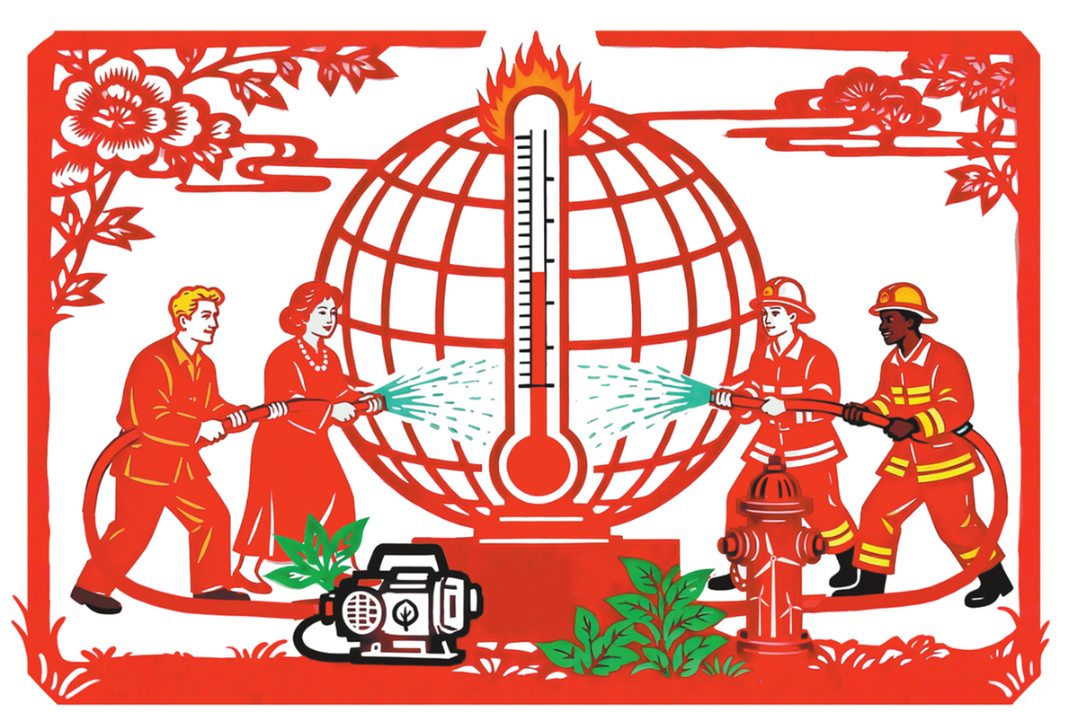
As for resilience, in recent years, cities have made significant improvements. But climate change could lead to natural disaster risks, including epidemics and pandemics, that require preparedness.
Smart cities are about good governance. This includes improving urban management through modern governance models and systems, such as public hotlines, that enable cities to respond quickly to citizens' needs. Technological advancements in artificial intelligence and big data can further improve governance effectiveness.
Some cities have made progress in using these technologies for urban governance. And in cities such as Shanghai, efforts are underway to improve governance through integrated management systems. However, there is still significant room for improvement in this area. The best practices in urban management need to be promoted and adopted in more cities.
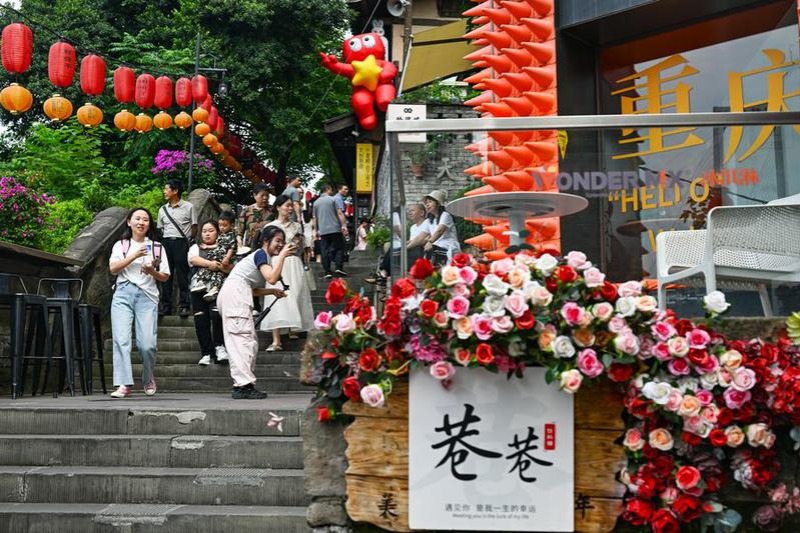
Lastly, urban development must go beyond simply hard power. It also requires the soft power of preservation of a city's cultural heritage and the continuity of its cultural identity.
Making cities desirable to live in does not have an end. Although some Chinese super-large cities have reached a high level of development, there is still room for improvement. For instance, these cities have done well on innovation, but still lag behind the world's leading innovators. Similarly, there are gaps between urban governance systems and modern governance goals, such as land use management and building standards. And, innovations are still needed in grassroots governance.