International law a casualty in US assault on Venezuela









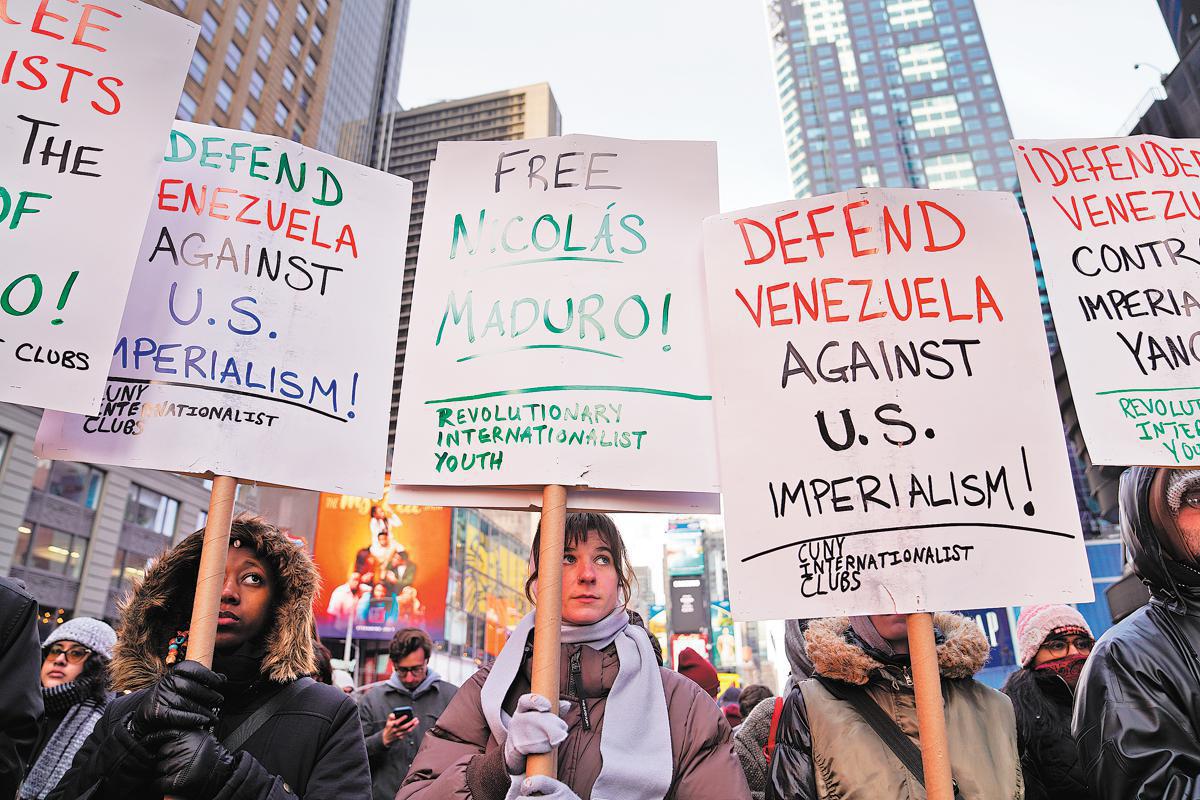
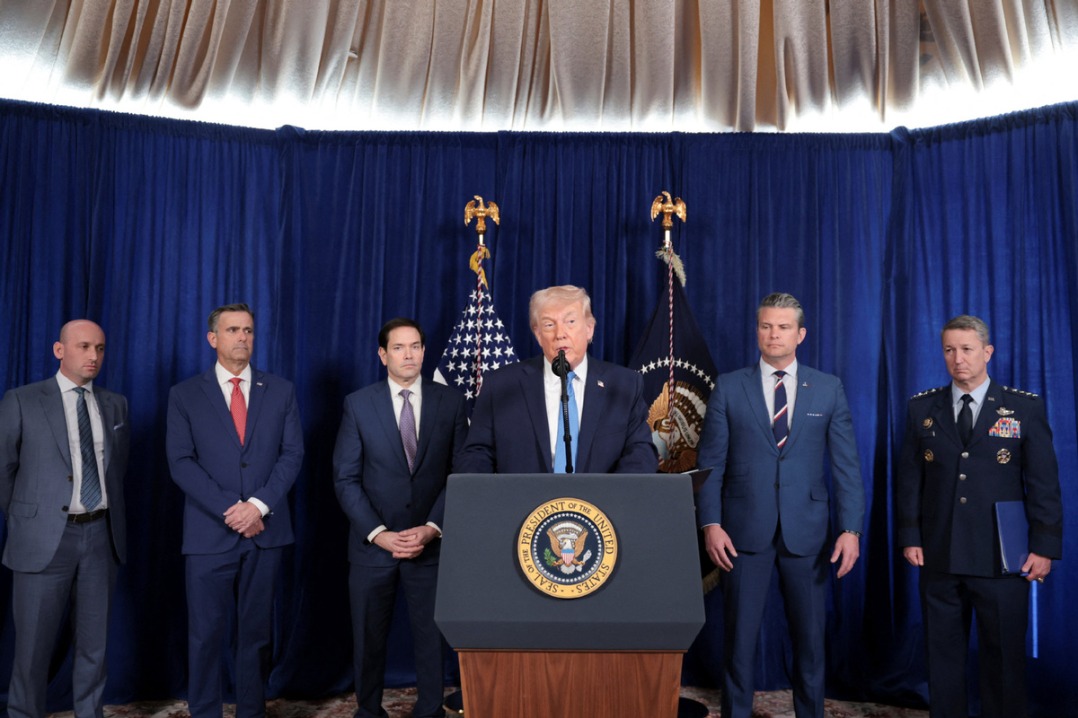
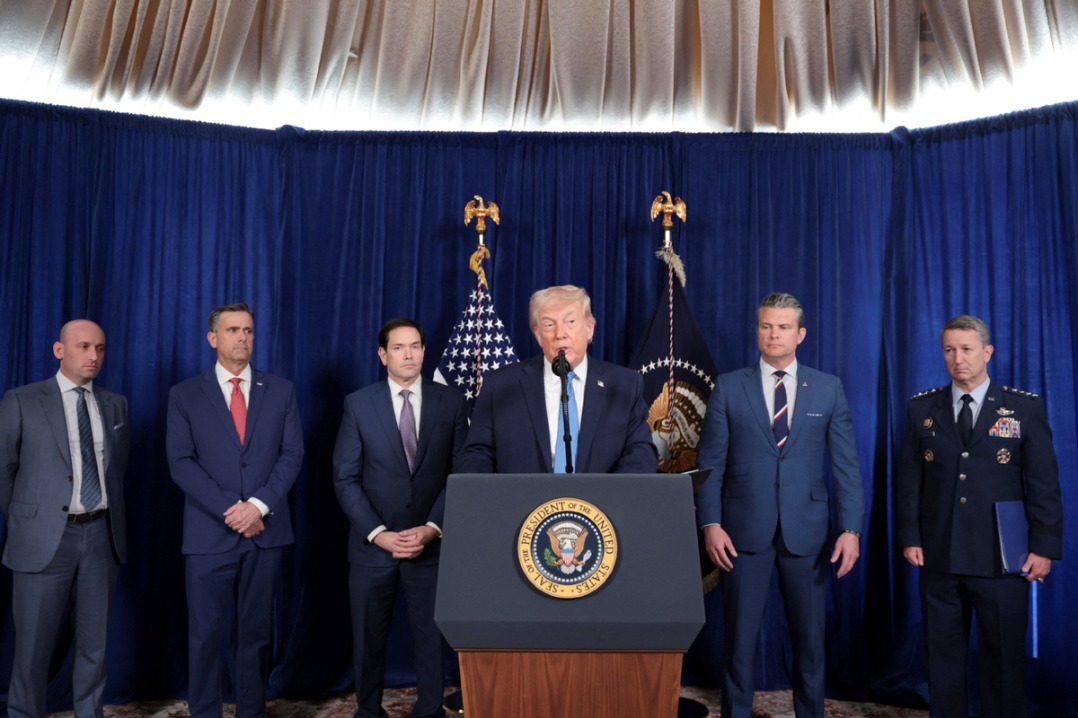
On Jan 3, 2026, the United States crossed a line that the postwar international order was explicitly designed to prevent. In a coordinated military operation involving air strikes and special forces, US troops entered Venezuelan territory, forcibly seized the country's sitting president Nicolás Maduro and his wife Cilia Flores and transferred them to the United States to face domestic criminal charges. Washington subsequently announced its intention to oversee a "transition" in Venezuela and facilitate the entry of US oil companies into the country's energy sector.
This was not a diplomatic dispute. It did not constitute cooperation in the area of law enforcement. It was not an internationally sanctioned action. It was a unilateral act of force against a sovereign state — one that directly violates the United Nations Charter and undermines the most basic norms governing relations between nations.
Frontal assault on the UN-centered international order
The prohibition on the use of force is not a marginal rule of international law, it is its cornerstone. Article 2 of the UN Charter leaves no ambiguity: states must refrain from threatening or using force against the territorial integrity or political independence of other states. Only two exceptions exist — self-defense against an armed attack, or authorization by the UN Security Council. The US' action against Venezuela satisfies neither.
Venezuela did not attack the United States. No Security Council resolution authorized military intervention. The operation therefore constitutes a clear violation of international law, regardless of how it is framed rhetorically. Redefining aggression as "law enforcement" does not change the illegal nature of the act.
China has consistently upheld the authority of the UN Charter and opposed the erosion of its core principles. Once these principles are discarded by powerful states, the international system ceases to be rules-based and becomes governed by brute force.
Domestic indictments do not justify invasions
Washington has sought to justify its actions by citing indictments filed in the US that accuse President Maduro of narcotics trafficking and "drug terrorism". Yet international law does not recognize the extraterritorial enforcement of domestic criminal law through military means.
If national courts are allowed to legitimize cross-border military raids, then every state becomes vulnerable to unilateral coercion. Any government disfavored by a stronger power could be criminalized, seized and removed from power under the guise of "justice". This is not the logic of law — it is imperial prerogative.
The international community has long-established mechanisms for dealing with transnational crime: judicial cooperation, extradition treaties and multilateral frameworks under the United Nations. Bypassing these mechanisms is not a sign of resolve, it is an admission that legality has been deliberately set aside. Rules that apply selectively are not rules at all.
Return of imposed governance
Even more revealing than the operation itself are Washington's subsequent statements. The claim that the United States will temporarily "manage" Venezuela until a "secure transition" is completed openly revives a doctrine that much of the world believed had been buried by history.
This language strips Venezuelan sovereignty of any real meaning. It treats a UN member state as an object to be administered rather than as a subject of international law. It echoes an era when foreign powers decided which governments were acceptable and which resources were to be "stabilized" for external benefit.
The US' move is in clear violation of international law, basic norms in international relations, and the purposes and principles of the UN Charter. A country's political future must be determined by its own people, not by foreign troops or external economic interests. Any attempt to reshape Venezuela's political or economic system through coercion will only deepen instability and suffering.
Latin America's hard-earned norms under threat
The strong reactions heard from across Latin America are neither emotional nor ideological, they are rooted in historical experience. The region has spent decades working to establish non-intervention as a shared norm, precisely because external military interference has repeatedly brought division rather than development.
The US operation against Venezuela threatens to reverse this progress. It signals that military power, not regional consensus or international law, remains the decisive factor. Such a signal will inevitably heighten insecurity, fuel polarization and weaken trust across the hemisphere.
Instability does not stop at borders. Political shocks, economic disruptions and humanitarian consequences will affect neighboring countries and the wider region. At a time when global economic growth is fragile and geopolitical tensions are already high, injecting force into Latin America serves no constructive purpose.
Precedent that endangers all states
The UN secretary-general's warning that the US operation sets a "dangerous precedent" should not be understated. If the detention of a sitting head of state by a foreign military force is normalized, no country can consider itself safe.
Today, it is Venezuela. Tomorrow, it could be any state whose policies conflict with the interests of a stronger power. The erosion of restraint always begins with an exceptional case — and ends with permanent instability.
China advocates a multipolar world where all countries, regardless of size or strength, enjoy equal sovereignty. Upholding international law is not a rhetorical preference, it is a practical necessity for global stability.
Law, not force, is the path forward
What the situation demands now is restraint, de-escalation and a return to multilateralism. Unilateral actions must cease. Venezuela's sovereignty must be respected. Any political process must be inclusive, peaceful and led by Venezuelans themselves.
History offers a clear verdict. Military interventions justified as necessary or exceptional rarely deliver stability, democracy or prosperity. They weaken international norms, deepen divisions and leave long-term consequences that far outlast the stated objectives.
The international order cannot survive if force is allowed to replace law. Governance imposed at gunpoint is no governance at all. And abandoning restraint today risks a world where, tomorrow, no rule, no border and no state will be secure.
Xu Ying is a Beijing-based commentator.
The views don't necessarily reflect those of China Daily.
If you have a specific expertise, or would like to share your thought about our stories, then send us your writings at opinion@chinadaily.com.cn, and comment@chinadaily.com.cn.