Monetary easing no help in long term


The G7 meeting in Aylesbury, about 40 miles outside London, raised a question that many economists have been asking: Can an expansionary monetary policy alone lift a nation out of an economic slump?
Although it has revved up its money-printing machine over the last two years, the United States has failed to produce a sustainable economic recovery despite the progressive depreciation of the US dollar against most other major currencies. Of course, the stock market is doing well with so much liquidity sloshing around. But economic growth has remained anemic and the unemployment rate, persistently high.
Japan began administering similar treatment to cure its economic woes, which are manifest in stubborn deflation. Record low interest rates and an ample supply of liquidity have combined to boost Japanese share prices. Yes, the yen has devalued as expected, but there is little indication of a pick-up in domestic investment and consumer demand, which the Japanese version of quantitative easing was designed to stimulate.
Britain is another major economy pursuing a loose monetary policy to stimulate growth while continuing to hold a tight rein on budgetary expenditure to contain debt. But despite this, the country's economy has remained in the doldrums.
Monetary stimulus raised concern at the G7 meeting about the potential of triggering a currency war in which countries beset by economic problems seek to devalue their respective currencies to gain competitiveness. Naturally, the focus fell on Japan.
The Japanese yen has devalued more than 20 percent against the US dollar in the past couple of months. At one time, it dropped below the psychological important 100-yen mark. The Japanese currency also traded last week at a three-year low against the euro.
Financial leaders of many countries have been calling for Japan to inflate its economy in the past. Now that Japan is doing exactly that, nobody is ready to blame it for currency manipulation. A senior Japanese financial official was quoted by Reuters as saying Tokyo was honoring an agreement that monetary policy should focus on domestic objectives, not manipulating currencies.
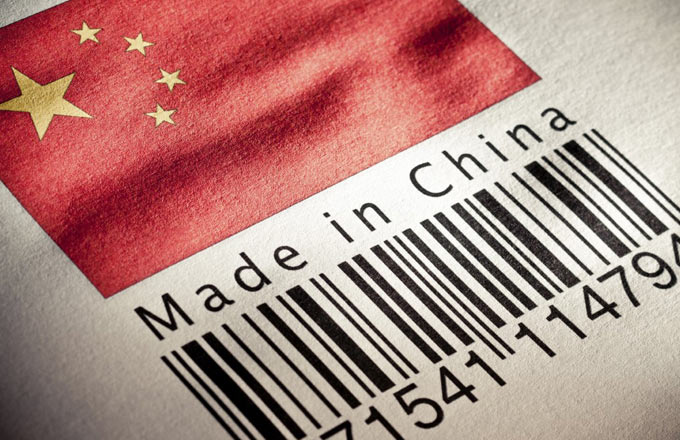
It is hard to quantify the effect of currency value on competitiveness. Exchange rates are only one of the many variables in the cost equation. For example, the renminbi has appreciated more than 20 percent against the US dollar in the past few years. But that has not had too great an impact on its overall competitiveness as a manufacturing base for many foreign companies.
Placing too much emphasis on currency value in gauging competitiveness ignores much more important factors, such as political stability, policy consistency, infrastructure facilities and the quality and availability of workers. On the currency front, exporters and investors care more about exchange rate stability than relative value.
Of course, there are extreme situations that make devaluation inevitable. Several Asian countries, notably South Korea and Indonesia, were forced to massively devalue their currencies to resuscitate their economies that were badly battered by the outbreak of the regional financial crisis in 1997.
Indeed, some noted economists contend that those eurozone economies, particularly Greece, that were brought to their knees by the sovereign debt crisis would not be going through such a painful readjustment if they had the option to devalue their own currencies.
But in more normal circumstances, exchange rate fluctuations are a necessary part of an economic adjustment, which is mostly automatic in a free economy. Of course, central banks usually feel necessary to intervene to mitigate the pain caused by unbridled market forces.
Monetary easing and the resulting currency devaluation can bring short-term economic gains. In the longer term, provided we're not all dead, the world's major economies can do themselves a favor by establishing a stable foreign exchange regime.