
中國網站品牌欄目(頻道)
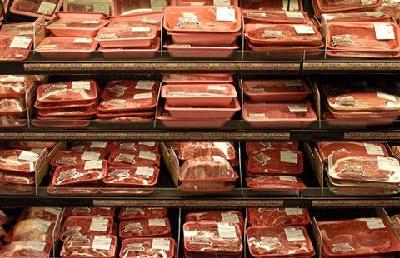
As the world population rises, the demand for meat, eggs and airy products is soaring in developing countries. The Worldwatch Institute warns that without safeguards the demand could strain the environment and pose public health risks.
Worldwatch says both production and consumption of animal products are increasingly concentrated in developing countries. In fact, it says, the demand in those countries has increased at what it calls a staggering rate in recent decades.
Danielle Nierenberg is director of the institute's Nourishing the Planet project and co-author of the report on farm animal populations. "Over the last 30 years, the number of farm animals – and that includes both four-footed livestock like cattle and pigs and goats and sheep, as well as poultry – has increased about 23 percent since 1980. So now we have about 20 billion farm animals worldwide and again that includes chickens and pigs and cattle, sheep and goats."
She said there are two main reasons for the increase.
"Urbanization and rising incomes particularly in developing and emerging countries. China, Brazil, India – they've all seen their middle class or consumer class rise over the last 30 years. And what tends to happen when people have a little bit more money to spend is they spend it on higher quality food. They tend to buy more milk or cheese or meat," she said.
Large-scale production
Farm animal production, she said, provides a "safety net" for millions of vulnerable people. However, she says that production often takes place on factory farms, or CAFOs, concentrated animal feed operations.
"The demand is being met by industrial animal operations or factory farming. This is a style of farming that really originated in Europe and the United States in the 1950s and 60s, where thousands or even tens of thousands of the animals are confined in huge barns or sheds," she said.
She said this type of mass animal production can need a lot of resources or inputs to operate.
"They require a lot of fossil fuel energy for heating and cooling. They require tremendous amounts of soy and corn for animal feed. They depend on antibiotics to keep these animals healthy because again they're in really confined, crowded, often dirty conditions and so animals tend to get sick when they're altogether without fresh air like that," Nierenberg said.
The Worldwatch Institute report says factory farms produce huge amounts of waste, which can contaminate ground water. And it says farm animal production accounts for about 18 percent of the world's greenhouse gas emissions, especially methane and nitrous oxide.
Health concerns
There's also concern that such farming practices will lead to the extinction of indigenous cattle breeds, as production centers on just a few breeds like the Holstein and Jersey. But the indigenous breeds may be more tolerant of heat and drought and less susceptible to climate change.
Nierenberg said the increase in meat consumption in developing countries is understandable.
"In the developing world, particularly sub-Saharan Africa, meat can be a tremendous boost to people's diets. It can provide important nutrients that they weren't getting before, especially for malnourished populations; and it can really help people, especially children, develop better. But what we're seeing not just in the industrial world but also in developing countries is over-consumption of meat. Because it's cheaper than it's ever been more and more people can consume it," she said.
People in developed nations continue to eat the most animal products. But the report says the "appetite for animal products is stagnating or declining in many industrial countries." It attributes that to a growing awareness that diets high in animal fat and meat may contribute to obesity, diabetes, cardiovascular disease and some types of cancer. For example a recent study in the Archives of Internal Medicine, concluded that red meat consumption is associated with a greater risk of cardiovascular disease and cancer. The study said other healthy protein sources are associated with a lower mortality risk.
Some critics of the study say the growing health problems in developed nations have less to do with meat and more to do with a large consumption of sugar.
The co-author of the Worldwatch Institute report is calling for a rethinking of meat consumption. That is, eating it just a few times week instead of several times a day; and making meat a part of the meal, not always the main course.
"Agriculture is not just about increasing meals. It's about creating a system that nourishes both people and the planet. That helps communities earn enough incomes so that they can both grow food and buy food. It's a system of agriculture that doesn't depend on industrial inputs or harming animals. It's a system of agriculture that's really more holistic," she said.
Investments in agriculture have increased since the food crisis of 2007/2008. The world population is expected to rise from the current seven billion to nine billion by 2050.
susceptible: easily influenced or affected 易受影響的
cardiovascular: relating to the heart and the blood vessels 心血管的
Half of cooked meat tested substandard
For meat lovers, the challenge of faking it
(來源:VOA 編輯:旭燕)
 |
 |
 |
 |
 |
 |


 主站蜘蛛池模板:
久久99精品国产麻豆婷婷|
欧美人成精品网站播放|
亚洲无人区码二码三码区|
国产综合色产在线视频欧美|
亚洲中文字幕无码一区|
亚洲精品国产免费av|
国产美女被遭高潮免费网站|
成人av亚洲男人色丁香|
国产精品无遮挡猛进猛出|
亚洲国产一区二区三区|
久久精品国产亚洲欧美|
国产私拍大尺度在线视频|
国产中文三级全黄|
国产亚洲精品久久久久秋|
巨爆乳中文字幕爆乳区|
国精产品一区一区三区免费视频|
九九热在线免费播放视频|
成全视频大全高清全集|
日本亚洲一区二区精品久久|
日本a在线播放|
在线观看免费人成视频色|
99久久国产综合精品成人影院|
国产免费网站看v片元遮挡|
欧美国产成人精品二区芒果视频|
国产自产一区二区三区视频|
亚洲香蕉网久久综合影视
|
少妇人妻偷人精品视蜜桃|
亚洲欧美中文字幕日韩一区二区|
欧美亚洲国产日韩电影在线|
国产三级最新在线观看不卡|
99热精品毛片全部国产无缓冲|
人妻中出受孕 中文字幕在线|
不卡国产一区二区三区|
女人18毛片水真多|
欧美丰满熟妇xxxx性|
亚洲中文字幕日产无码2020|
男女激情一区二区三区|
男女肉粗暴进入120秒视频|
国色天香成人一区二区|
久久天堂av综合色无码专区|
亚洲精品视频一二三四区|
主站蜘蛛池模板:
久久99精品国产麻豆婷婷|
欧美人成精品网站播放|
亚洲无人区码二码三码区|
国产综合色产在线视频欧美|
亚洲中文字幕无码一区|
亚洲精品国产免费av|
国产美女被遭高潮免费网站|
成人av亚洲男人色丁香|
国产精品无遮挡猛进猛出|
亚洲国产一区二区三区|
久久精品国产亚洲欧美|
国产私拍大尺度在线视频|
国产中文三级全黄|
国产亚洲精品久久久久秋|
巨爆乳中文字幕爆乳区|
国精产品一区一区三区免费视频|
九九热在线免费播放视频|
成全视频大全高清全集|
日本亚洲一区二区精品久久|
日本a在线播放|
在线观看免费人成视频色|
99久久国产综合精品成人影院|
国产免费网站看v片元遮挡|
欧美国产成人精品二区芒果视频|
国产自产一区二区三区视频|
亚洲香蕉网久久综合影视
|
少妇人妻偷人精品视蜜桃|
亚洲欧美中文字幕日韩一区二区|
欧美亚洲国产日韩电影在线|
国产三级最新在线观看不卡|
99热精品毛片全部国产无缓冲|
人妻中出受孕 中文字幕在线|
不卡国产一区二区三区|
女人18毛片水真多|
欧美丰满熟妇xxxx性|
亚洲中文字幕日产无码2020|
男女激情一区二区三区|
男女肉粗暴进入120秒视频|
国色天香成人一区二区|
久久天堂av综合色无码专区|
亚洲精品视频一二三四区|