
中國網站品牌欄目(頻道)
For some 400 years before European settlers arrived, ancient Hawaiian societies caught as much fish as modern fishers or more - without fishing the reefs to depletion, according to a new study.
The findings suggest that, with the right strategies and enforcement, fishing can be productive and sustainable for the long term.
Protect the catch
While some of the steps the ancient Hawaiians took to protect their catch are extreme by today's standards, conservation experts would find many of them familiar.

When the first Europeans settled on the remote Pacific island chain of Hawaii in the 18th century, fishing had been going strong for centuries.
Each local ruler made sure it stayed that way, according to sociologist Jack Kittinger at Stanford University's Center for Ocean Solutions.
"If [the ruler's agent] decided that the fish stock on a particular reef needed to rest - people had been fishing it too much - then he would put a kapu on fishing in that reef."
"Kapu" roughly translates as "forbidden," and that was enough for the local fishers.
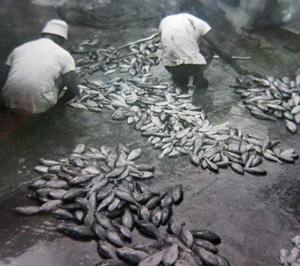
Kittinger says James Cook, the first European to reach Hawaii, saw the kapu system in action.
He would describe it as "Oh, you know, everyone is out on the water. The next day there was a kapu put on the bay by the local king, and no one was on the water. Like, you know, people obeyed these things."
It was also kapu to catch skipjack tuna for roughly half the year, and mackerel scad the other half.
And only a professional class of fishermen was allowed to fish in deeper waters and use certain types of equipment.
Overfishing
Those and other traditional methods kept the coral reef ecosystems producing as much or more fish as they are today. And they had done so for about 400 years before the Europeans arrived, according to a study by Kittinger and his co-author published in March in the journal Fish and Fisheries.
Today, on the other hand, overfishing threatens the Hawaiian reefs, and more than half of the reefs around the world.
When Kittinger looks at today's efforts to control overfishing, he sees a lot of parallels with the ancient Hawaiian practices.
"They had basically the same tools in the toolbox that we have today," he says. "We do the same thing. We say, 'You can use this gear here, but you can't use it there. This area is off limits,' and so on and so forth, the same basic strategies. But the difference is how those strategies were implemented."
The difference, he says, is if you broke a kapu, "You're in deep trouble," he says. It could mean blinding or even death.
Some other strategies might be a bit out of step with modern values. Women were forbidden from eating certain kinds of prized fish. Turtles were off-limits for everyone but chiefs and high priests.
Kittinger says these rules had the effect of protecting these species.
"We think that the fact that they were protected probably arose as a response to understanding that those species were vulnerable," Kittinger says.
Living on remote islands in the middle of the ocean, subject to storms, droughts, tsunamis and so on, Kittinger says protecting the food supply was a matter of life and death for the ancient Hawaiians.
Lesson from the past
But with ocean ecosystems worldwide in decline, Kittinger says we could learn from their experience.
"These days, you get a slap on the wrist if you break a fisheries law," he says. "And it just tells us we don't really take enforcement that seriously. If we were really serious about protecting the resource, we need to be more serious about the violations and what happens with the violator."
He is not suggesting bringing back the death penalty for violators, but says today's more relaxed attitudes are not enough.
skipjack tuna: 鰹魚
mackerel scad: 鲹
Fishing bans imposed on Pearl, Yangtze to help declining stock
First hybrid shark found off Australian coast
US, EU to increase fight against illegal fishing
(來源:VOA 編輯:旭燕)
 |
 |
 |
 |
 |
 |


 主站蜘蛛池模板:
欧美黑人性暴力猛交喷水|
亚洲最大福利视频网|
亚洲日韩亚洲另类激情文学|
久久精品国产99国产精品澳门|
欧美在线观看网址|
久久亚洲av综合悠悠色|
最近免费中文字幕mv在线视频3|
91中文字幕在线一区|
国产丝袜在线精品丝袜不卡|
无码国产精品一区二区免费3P|
久久精品国产九一九九九|
九九久久自然熟的香蕉图片|
香蕉久久久久久久av网站|
视频二区国产精品职场同事|
四虎影视在线永久免费观看|
成人免费A级毛片无码片2022|
亚洲人妻精品中文字幕|
成人午夜激情在线观看|
欧美精品视频一区二区三区|
日韩精品卡1卡2日韩在线|
久久精品国产亚洲精品色婷婷|
中文字幕成熟丰满人妻|
亚洲永久精品ww47永久入口|
把女人弄爽大黄A大片片|
国产白嫩护士在线播放|
国产成人亚洲欧美二区综合|
免费国产一区二区不卡|
成人免费av色资源日日|
亚洲一二区在线视频播放|
7777久久亚洲中文字幕蜜桃|
综合激情网一区二区三区|
午夜欧美日韩在线视频播放
|
成av人电影在线观看|
国产福利片无码区在线观看|
激情自拍校园春色中文|
亚洲永久一区二区三区在线|
与子乱对白在线播放单亲国产|
婷婷五月亚洲综合图区|
最新国产AV最新国产在钱|
国产精品一在线观看|
综合偷自拍亚洲乱中文字幕|
主站蜘蛛池模板:
欧美黑人性暴力猛交喷水|
亚洲最大福利视频网|
亚洲日韩亚洲另类激情文学|
久久精品国产99国产精品澳门|
欧美在线观看网址|
久久亚洲av综合悠悠色|
最近免费中文字幕mv在线视频3|
91中文字幕在线一区|
国产丝袜在线精品丝袜不卡|
无码国产精品一区二区免费3P|
久久精品国产九一九九九|
九九久久自然熟的香蕉图片|
香蕉久久久久久久av网站|
视频二区国产精品职场同事|
四虎影视在线永久免费观看|
成人免费A级毛片无码片2022|
亚洲人妻精品中文字幕|
成人午夜激情在线观看|
欧美精品视频一区二区三区|
日韩精品卡1卡2日韩在线|
久久精品国产亚洲精品色婷婷|
中文字幕成熟丰满人妻|
亚洲永久精品ww47永久入口|
把女人弄爽大黄A大片片|
国产白嫩护士在线播放|
国产成人亚洲欧美二区综合|
免费国产一区二区不卡|
成人免费av色资源日日|
亚洲一二区在线视频播放|
7777久久亚洲中文字幕蜜桃|
综合激情网一区二区三区|
午夜欧美日韩在线视频播放
|
成av人电影在线观看|
国产福利片无码区在线观看|
激情自拍校园春色中文|
亚洲永久一区二区三区在线|
与子乱对白在线播放单亲国产|
婷婷五月亚洲综合图区|
最新国产AV最新国产在钱|
国产精品一在线观看|
综合偷自拍亚洲乱中文字幕|