
中國網站品牌欄目(頻道)
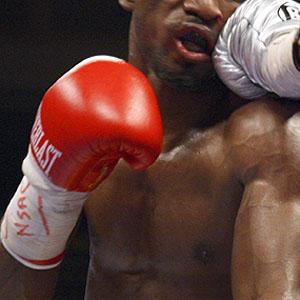
It's long been known that boxers and other athletes can develop brain damage from repeated blows to the head. Now a new study is trying to find out when that damage begins and how long it takes for symptoms to appear. Researchers say it could help make contact sports safer.
The ongoing Professional Fighters Brain Health Study follows so-called combat sports. Participants currently include 109 boxers and mixed martial artists with an average age of 29.
The author of the study is Dr. Charles Bernick. He says combat sports have long been linked to degenerative brain disease called traumatic encephalopathy, or CTE.
When and how
"Nobody really knows how one goes from having repetitive blows to the head to developing long-term brain disease. So how that actually happens," he said.
Bernick is associate director of the Cleveland Clinic Lou Ruvo Center for Brain Health and a member of the American Academy of Neurology. He said the study focuses on three things.
"One is to see if we can detect these earliest or most subtle changes of brain injury occurring in athletes or individuals exposed to head trauma - then to be able to identify those that may be developing this disease chronic traumatic encephalopathy. And then finally determine what factors make one individual more likely to develop it than others because certainly not all fighters or athletes exposed to head trauma develop this," he said.
Bernick said the more head trauma a person has the greater the risk of developing CTE, also known as dementia pugilistica.
"What we don't know is if there's a certain point of no return. The brain can tolerate so much and then if you go beyond that that's when you're going to run into this development of a disease process. So one question is to look at that and the second is: are changes occurring in the brain in these athletes even though they're not having any symptoms?"
Taking a toll
The 109 boxers and mixed martial artists were divided into three groups, based on the number of years they've fought.
Bernick said, "So those that fought less than six years. Those that fought six to 12 years and then those that fought more than 12 years. And then we looked at each group top see if there was any relationship between the number of fights these guys had and changes either in the size of certain areas of the brain or their performance on tests of reaction time, memory and so on."
Bernick says the first year of the study yielded results regarding brain size.
"In those that have fought for greater than six years, the more fights they had there seemed to be shrinkage in certain areas of the brain that we can measure. However, it was only in those that had fought more than 12 years that we started to see the performance changes. This would suggest two things. One, again, there may be a threshold. That is, the brain may be able to accommodate a certain amount of head trauma and then if you exceed that you actually can start seeing shrinkage occur in the brain. But that occurs actually many years before you even start having symptoms," he said.
Researchers used brain scan images, taken with an MRI machine, to study two areas of the brain. One is the hippocampus, which is associated with memory. The other is the thalamus. It's associated with relaying sensory and motor signals and helps regulate sleep and alertness among other functions.
"Indeed those areas were shrinking even very early on when these guys are active fighters," he said.
Bernick said it's possible other parts of the brain were affected, but they were not studied. He likened the consistency of the brain to gelatin and says brain fibers can be twisted and whipped around in head trauma.
The reason boxers and mixed martial artists are being examined has to do with the study's location.
"We're in Las Vegas. So Las Vegas is the fight capital of the world. A lot of fighters train here and of course we have a lot of fights here," he said.
He says the study has the full support of the fight industry, as well as promoters and the Nevada Athletic Commission.
"We hope to give regulatory agencies, the athletic commissions --could be another sport, NFL, hockey -- objective guidelines on how they protect their athletes. So in other words, if a 35-year-old fighter comes and wants to be licensed in Nevada how does our Athletic Commission decide if he should? There really are no objective markers," he said.
While the overall study results have been released, all the fighters were given their individual results in confidence. The study will continue to follow them.
Bernick said the goal is not to eliminate any sports, but to help make conditions safer for athletes. For example, the boxers could take fewer fights per year. The results can be applied in other fields as well. Bernick says they may be used to help the many head trauma victims in the military.
traumatic encephalopathy: 創傷性腦部病變
dementia pugilistica: 拳擊員癡呆
thalamus: a large ovoid mass of gray matter situated in the posterior part of the forebrain that relays sensory impulses to the cerebral cortex 丘腦
Dementia cases may triple by 2050 as world ages
A possible blood test for Alzheimer's disease
Brains gain from physical activity by older people
Sports doping: from the laboratory to the playing field
(來源:VOA 編輯:旭燕)
 |
 |
 |
 |
 |
 |


 主站蜘蛛池模板:
久久这里只有精品免费首页|
开心五月婷婷综合网站|
日韩一区二区三区理伦片|
欧美视频精品免费覌看|
扒开粉嫩的小缝隙喷白浆视频|
国产精品一区二区三区激情|
精品无人乱码一区二区三区的优势|
99爱在线精品免费观看|
美乳丰满人妻无码视频|
亚洲午夜久久久影院伊人|
正在播放肥臀熟妇在线视频|
日韩不卡1卡2卡三卡网站|
精品中文字幕日本久久久|
久热久精久品这里在线观看|
成人无码一区二区三区网站|
在线 欧美 中文 亚洲 精品|
亚洲欧美人成网站在线观看看|
少妇厨房愉情理伦片BD在线观看|
亚洲av不卡电影在线网址最新|
不卡乱辈伦在线看中文字幕|
黄色av免费在线上看|
久久中文字幕av第二页|
起碰免费公开97在线视频|
亚洲最大福利视频网|
国产精品午夜福利合集|
午夜成人精品福利网站在线观看|
熟女蜜臀av麻豆一区二区|
亚洲av无码之国产精品网址蜜芽|
玩弄漂亮少妇高潮白浆|
中文字幕精品亚洲无线码二区|
起碰免费公开97在线视频|
天天爽夜夜爽视频精品|
91福利国产午夜亚洲精品|
色老头亚洲成人免费影院|
久久丁香五月天综合网|
色噜噜噜亚洲男人的天堂|
国产精品久久香蕉免费播放|
精品人妻一区二区三区蜜臀|
亚洲va久久久噜噜噜久久狠狠|
久久夜色精品国产噜噜亚洲sv|
国产精品区一二三四久久|
主站蜘蛛池模板:
久久这里只有精品免费首页|
开心五月婷婷综合网站|
日韩一区二区三区理伦片|
欧美视频精品免费覌看|
扒开粉嫩的小缝隙喷白浆视频|
国产精品一区二区三区激情|
精品无人乱码一区二区三区的优势|
99爱在线精品免费观看|
美乳丰满人妻无码视频|
亚洲午夜久久久影院伊人|
正在播放肥臀熟妇在线视频|
日韩不卡1卡2卡三卡网站|
精品中文字幕日本久久久|
久热久精久品这里在线观看|
成人无码一区二区三区网站|
在线 欧美 中文 亚洲 精品|
亚洲欧美人成网站在线观看看|
少妇厨房愉情理伦片BD在线观看|
亚洲av不卡电影在线网址最新|
不卡乱辈伦在线看中文字幕|
黄色av免费在线上看|
久久中文字幕av第二页|
起碰免费公开97在线视频|
亚洲最大福利视频网|
国产精品午夜福利合集|
午夜成人精品福利网站在线观看|
熟女蜜臀av麻豆一区二区|
亚洲av无码之国产精品网址蜜芽|
玩弄漂亮少妇高潮白浆|
中文字幕精品亚洲无线码二区|
起碰免费公开97在线视频|
天天爽夜夜爽视频精品|
91福利国产午夜亚洲精品|
色老头亚洲成人免费影院|
久久丁香五月天综合网|
色噜噜噜亚洲男人的天堂|
国产精品久久香蕉免费播放|
精品人妻一区二区三区蜜臀|
亚洲va久久久噜噜噜久久狠狠|
久久夜色精品国产噜噜亚洲sv|
国产精品区一二三四久久|