
中國網站品牌欄目(頻道)
近日,美國一名海軍軍官被醫生認定為首位“谷歌眼鏡癮”患者,其在接受戒癮治療后承認,“眼鏡癮”比酒癮更難戒。
據悉,這名軍官今年31歲。之前,他一天中約有18個小時戴著谷歌眼鏡。兩個月后,他發現自己一摘下谷歌眼鏡,脾氣就變得暴躁,且容易發怒。每次看著眼鏡上那個小小的灰色屏幕,就好像在做夢一樣。
據了解,在接受治療的過程中,醫生注意到,該男子不停地用食指揉按右太陽穴。這是他在戴谷歌眼鏡時調整屏幕的常用動作,現在已經成了他無意識的重復動作。
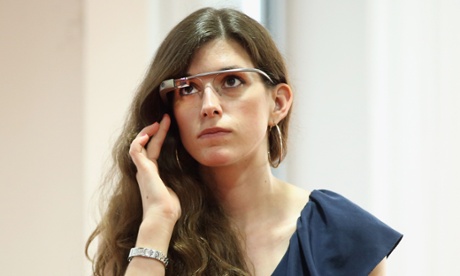
Scientists have treated a man they believe to be the first patient with internet addiction disorder brought on by overuse of Google Glass.
The man had been using the technology for around 18 hours a day – removing it only to sleep and wash – and complained of feeling irritable and argumentative without the device. In the two months since he bought the device, he had also begun experiencing his dreams as if viewed through the device’s small grey window.
The existence of internet addiction disorder linked to conventional devices such as phones and PCs is hotly debated among psychiatrists. It was not included as a clinical diagnosis in the 2013 update to the Diagnostic and Statistical Manual of Mental Disorders, the official reference guide to the field, and many researchers maintain that its effects are merely symptoms of other psychological problems.
But Dr Andrew Doan, head of addictions and resilience research at the US navy’s Substance Abuse and Recovery Programme (Sarp) and co-author of the paper on the patient, published in the journal Addictive Behaviours, says people are clearly suffering from problems related to internet addiction, and it is only a matter of time before the research and treatments catch up.
“People used to believe alcoholism wasn’t a problem – they blamed the person or the people around them,” Doan said. “It’s just going to take a while for us to realise that this is real.”
The patient – a 31-year-old US navy serviceman – had checked into the Sarp in September 2013 for alcoholism treatment. The facility requires patients to steer clear of addictive behaviours for 35 days – no alcohol, drugs, or cigarettes – but it also takes away all electronic devices.
Doctors noticed the patient repeatedly tapped his right temple with his index finger. He said the movement was an involuntary mimic of the motion regularly used to switch on the heads-up display on his Google Glass.
He said he was “going through withdrawal from his Google Glass”, Doan explained, adding: “He said the Google Glass withdrawal was greater than the alcohol withdrawal he was experiencing.”
He said the patient used Google Glass to improve his performance at work, where he was able to quicken his job of making inventories of convoy vehicles for the navy.
By the time the patient checked into the facility, he was suffering from involuntary movements, cravings, memory problems and dreaming as if he was wearing the glasses. When he was not wearing them he felt irritable and argumentative.
Some of this, says Doan, may be because a wearable device is constantly there – so the neurological reward associated with using it is constantly accessible. “There’s nothing inherently bad about Google Glass,” Doan said. “It’s just that there is very little time between these rushes. So for an individual who’s looking to escape, for an individual who has underlying mental dysregulation, for people with a predisposition for addiction, technology provides a very convenient way to access these rushes.
“And the danger with wearable technology is that you’re allowed to be almost constantly in the closet, while appearing like you’re present in the moment.”
There is considerable disagreement among psychologists over whether the addictive use of technology is a disorder in its own right or simply a symptom of other problems.
“I think what you will find is it can be both – it can be the primary problem that an individual develops that then leads to more problems, or the symptom of other problems like personality disorders,” said Daria Kuss, who researches internet addiction at Nottingham Trent University and published a comprehensive review of research into the issue earlier this year. Certainly, the US navy patient was suffering from underlying mental problems, including depression, social anxiety and obsessive compulsive disorder.
Kuss’s review concluded that reported cases of internet addiction were on the rise, but that more research was needed before clinicians could properly diagnose and treat patients suffering from it. Similarly, while internet addiction was omitted from the 2013 update to the Diagnostic and Statistical Manual of Mental Disorders, it was included in the appendix as a disorder requiring further study. To date, the only addiction not related to substance abuse included in the manual is gambling.
The outcome for the patient appears to have been good. After his 35 days at SARP, he said he felt less irritable, was making fewer compulsive movements to his temple, and his short-term memory had improved. He was released and referred to a 12-step programme for his alcohol abuse issues, and was hopeful about his recovery. Doan and his colleagues have yet to hear back from him.
Google declined a request for a comment.
(來源:The Guardian?編輯:祝興媛)
 |
 |
 |
 |
 |
 |


 主站蜘蛛池模板:
国产午夜精品福利视频|
精品国产熟女一区二区三区|
亚洲性线免费观看视频成熟|
一区二区三区av天堂|
欧美熟妇乱子伦XX视频|
国产十八禁在线观看免费|
狠狠久久五月综合色和啪|
色窝窝免费一区二区三区|
91久久偷偷做嫩草影院免费看
|
精品国产AV无码一区二区三区|
婷婷色综合成人成人网小说|
国产精品女同一区三区五区|
91制服丝袜国产高清在线|
国产成人啪精品视频免费APP|
国产午夜亚洲精品理论片不卡|
男女激情一区二区三区|
激情 自拍 另类 亚洲|
国产成人亚洲精品狼色在线|
思思99热精品在线|
国产成人久久综合第一区|
在线看免费无码的av天堂|
国产精品白丝久久AV网站|
在线观看无码不卡av|
色偷偷亚洲av男人的天堂|
中文字幕无线码中文字幕免费
|
国产网友愉拍精品视频手机|
99久久无色码中文字幕人妻|
亚洲一二三区精品美妇|
欧洲-级毛片内射|
十八禁日本一区二区三区|
日本激情久久精品人妻热|
亚洲精品一区二区二三区|
人妻中文字幕亚洲精品|
日韩国产精品一区二区av|
这里只有精品免费视频|
精品国产久一区二区三区|
激情五月日韩中文字幕|
四虎影视4hu4虎成人|
免青青草免费观看视频在线|
插入中文字幕在线一区二区三区
|
蜜桃无码一区二区三区|
主站蜘蛛池模板:
国产午夜精品福利视频|
精品国产熟女一区二区三区|
亚洲性线免费观看视频成熟|
一区二区三区av天堂|
欧美熟妇乱子伦XX视频|
国产十八禁在线观看免费|
狠狠久久五月综合色和啪|
色窝窝免费一区二区三区|
91久久偷偷做嫩草影院免费看
|
精品国产AV无码一区二区三区|
婷婷色综合成人成人网小说|
国产精品女同一区三区五区|
91制服丝袜国产高清在线|
国产成人啪精品视频免费APP|
国产午夜亚洲精品理论片不卡|
男女激情一区二区三区|
激情 自拍 另类 亚洲|
国产成人亚洲精品狼色在线|
思思99热精品在线|
国产成人久久综合第一区|
在线看免费无码的av天堂|
国产精品白丝久久AV网站|
在线观看无码不卡av|
色偷偷亚洲av男人的天堂|
中文字幕无线码中文字幕免费
|
国产网友愉拍精品视频手机|
99久久无色码中文字幕人妻|
亚洲一二三区精品美妇|
欧洲-级毛片内射|
十八禁日本一区二区三区|
日本激情久久精品人妻热|
亚洲精品一区二区二三区|
人妻中文字幕亚洲精品|
日韩国产精品一区二区av|
这里只有精品免费视频|
精品国产久一区二区三区|
激情五月日韩中文字幕|
四虎影视4hu4虎成人|
免青青草免费观看视频在线|
插入中文字幕在线一区二区三区
|
蜜桃无码一区二区三区|