'Bandung spirit' inspiring for dynamic Southeast Asia









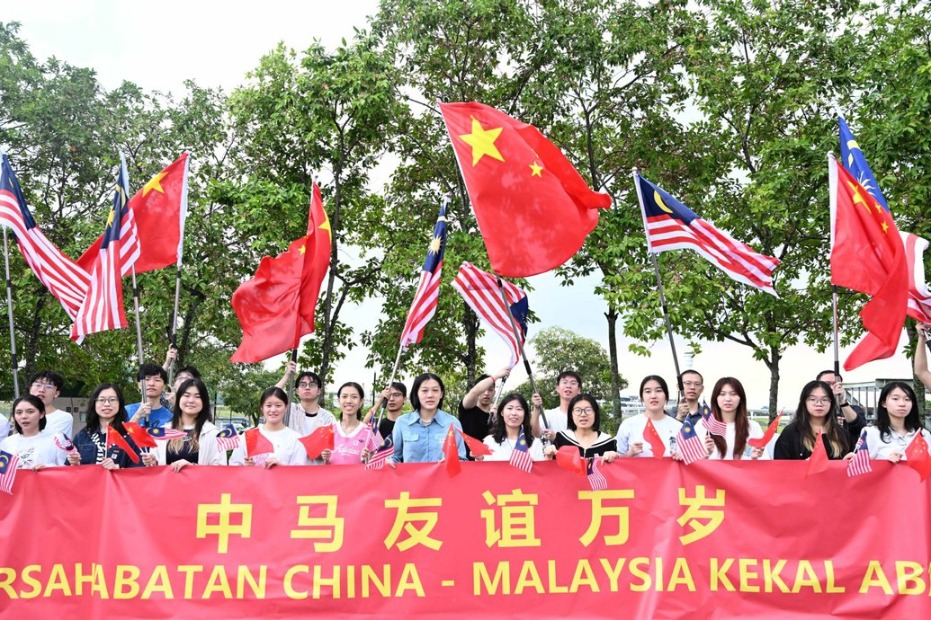
Chinese President Xi Jinping's state visit to Malaysia from Tuesday to Thursday marks a pivotal moment in the deepening of bilateral relations. His visit, 12 years since his first visit to Malaysia in 2013, comes at a cathartic moment when the world is moving toward a multipolar order.
Following high-level leaders' mutual visits in the past two years, President Xi's visit this year is expected to further enhance bilateral cooperation, particularly within the context of the Belt and Road Initiative. Malaysia's pivotal role as the ASEAN Chair for this year, the enduring legacy of the 1955 Bandung Conference, and the goal to strengthen regional stability all contribute to the significance of this visit.
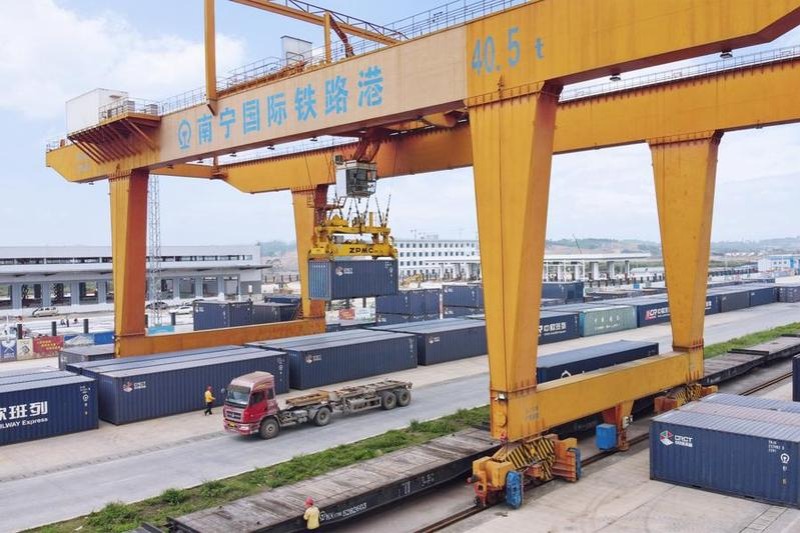
The Belt and Road Initiative has become a cornerstone of China-Malaysia relations, fostering significant infrastructure development and economic integration. A flagship bilateral collaboration project under the initiative is the East Coast Rail Link, which covers 665 kilometers and connects Port Klang on Malaysia's west coast to Kota Bharu on the east coast.
The ECRL, a vital artery of economic transformation, will cut travel time across peninsular Malaysia by more than half and make freight transport more efficient by linking industrial zones directly to ports. Once completed, it will catalyze the economic revitalization of Malaysia's east coast and foster greater connectivity with Thailand, Laos, and southern China.
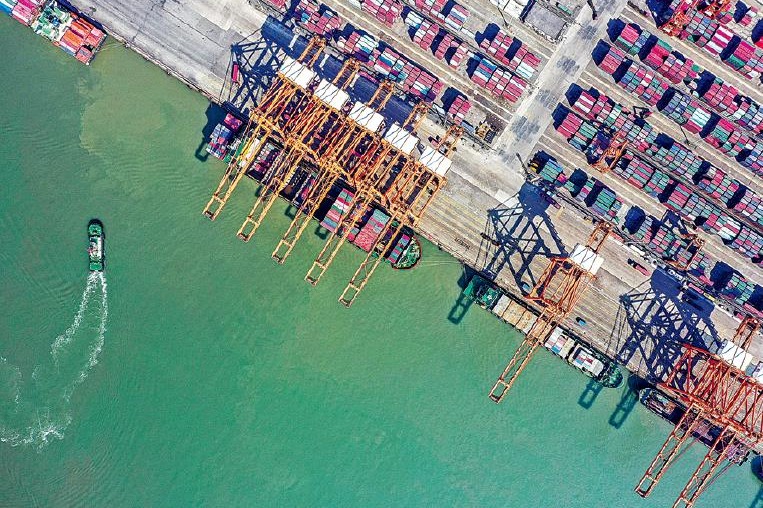
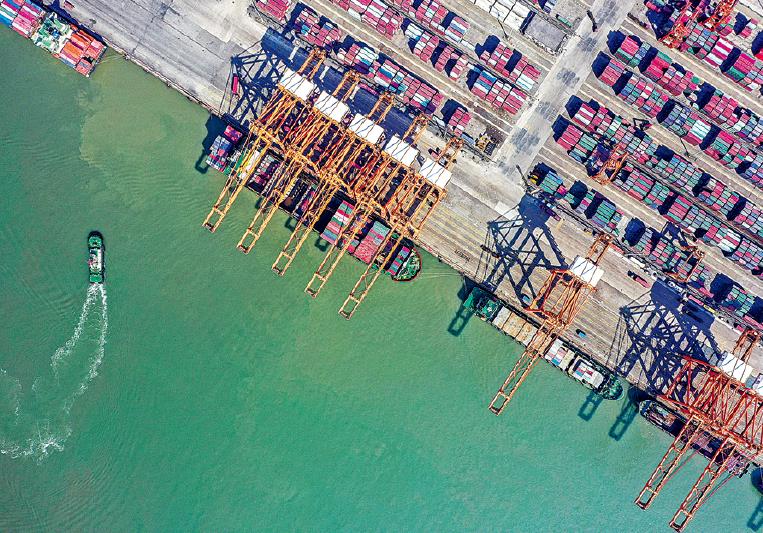
Complementing the ECRL are the sister free trade zones of Qinzhou in China's Guangxi Zhuang autonomous region, and Kuantan in Pahang, Malaysia. Together, they form a model of "dual-port" cooperation that has already attracted billions of dollars in foreign investment, setting a standard for other Belt and Road corridors.
The tangible benefits of these collaborations are evident in the trade statistics. Sino-Malaysian trade reached $212.04 billion in 2024, marking the 16th consecutive year that China has remained Malaysia's largest trading partner. This robust trade relationship was bolstered by the visits of 3.7 million Chinese tourists to Malaysia in 2024, which generated an estimated $3.6 billion in tourism revenue.
Malaysia's New Industrial Master Plan 2030 aligns well with China's push for high-quality, tech-driven BRI projects, ensuring that both countries continue to prosper together.
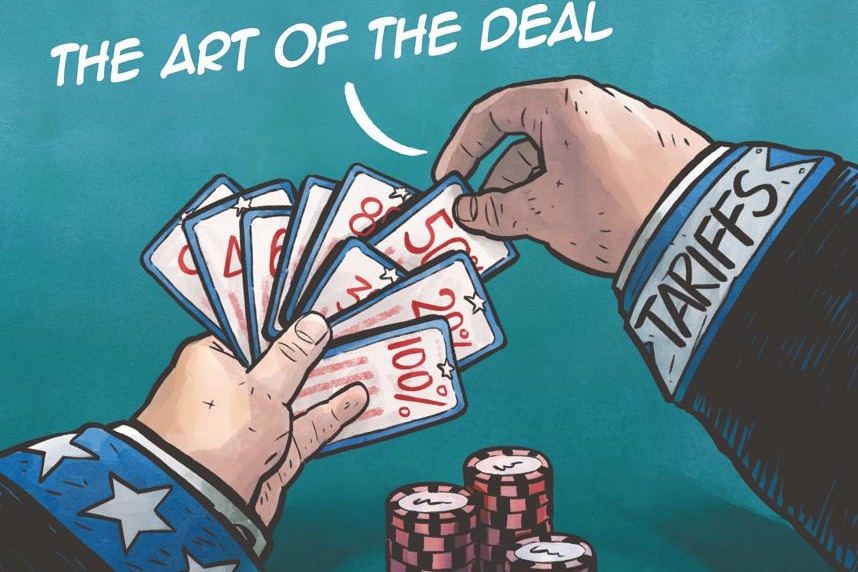
As the ASEAN Chair for 2025, Malaysia faces the complex task of steering the region through a landscape marked by escalating tensions between major powers, particularly the United States and China. The tariff war the US has launched against China and other economies will have far-reaching implications for ASEAN economies.
Against this background, the Chinese leaders' engagement with Malaysian leaders can expedite some strategic initiatives including significantly raising China-Malaysia bilateral currency swap arrangement from the existing 180 billion yuan ($24.62 billion) to match the bilateral trade volume of more than $260 billion; making tariff-free the China-ASEAN Free Trade Agreement 3.0, whose trade volume of about $1 trillion is close to US-European Union (goods) trade; and working on a China-ASEAN central bank digital currency.
Imagine the economic energy unleashed by zero tariffs on $1 trillion of goods transacted in a safe neighborhood.
Also, ASEAN is becoming a key player in the global digital economy, and Malaysia, as the second-biggest QR code user only next to China in the world, is championing initiatives that harmonize digital regulations and enhance cybersecurity.
China's collaboration in this domain, particularly through cross-border e-commerce and fintech innovation, could be transformative, especially for micro, small and medium-sized enterprises across Southeast Asia. A record 815,000 vehicles were sold in Malaysia in 2024, and the country would be happy to have more electric vehicle brands such as BYD and Geely from China at a more affordable price to accelerate its green transformation.
Furthermore, the 1955 Bandung Conference was a seminal moment in international relations, bringing together Asian and African countries to promote economic and cultural cooperation and oppose colonialism. At the Bandung Conference, former Chinese premier Zhou Enlai famously said, "We should seek common ground while reserving differences." This principle, which laid the groundwork for peaceful coexistence and mutual respect among newly independent nations, remains profoundly relevant today, when the world once again faces rising tensions, economic nationalism and ideological polarization. To invoke the Bandung spirit to promote a new era of South-South cooperation can help promote the building of a community with a shared future for mankind.
By grounding contemporary initiatives in historical values, the China-Malaysia partnership can lead by example and propose a modern-day "Bandung 2.0" framework. By strengthening economic collaboration under the Belt and Road Initiative, supporting Malaysia's leadership of ASEAN, and reviving the cooperative spirit of the Bandung Conference, the Chinese president's visit is likely to set the stage for a future marked by mutual prosperity and regional stability.
The author is the advisor of New Gen, a Kuala Lumpur-based AI company. The views don't necessarily reflect those of China Daily.
If you have a specific expertise, or would like to share your thought about our stories, then send us your writings at opinion@chinadaily.com.cn, and comment@chinadaily.com.cn.