

|
|

NPC & CPPCC Annual Sessions > Biz & Economy > Analysis
|
Housing a hot topic of debate at 'two sessions'By Yi Xianrong (China Daily)
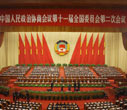
Updated: 2009-03-06 07:42 Housing was a heated topic at this year's sessions of the National People's Congress (NPC) and the Chinese People's Political Consultative Conference (CPPCC), convened this week.
It is expected similar motions are to be raised as the agendas of the two sessions press ahead. Closely related to the vital interests of all individuals and households, housing has always been an outstanding issue as well as a focal point of the country's economic, political and social affairs. It is normal then that different interest groups have presented conflicting proposals on the long-controversial issue. However, we should bear in mind the core problems of the country's real estate market. The importance of the real estate sector to the national economy is indisputable.
This was clear in government No 131 document for the real estate, which confirms it as a "pillar industry". But the document also states that the sector's status is based on it offering ever-improving housing to every Chinese citizen. The housing market would lose this legal foundation as the country's pillar industry if it develops without meeting people's basic demand for improved housing conditions. For example, a new financing system could be set up to stop developers from infringing on homebuyers' rights and interests if the current housing pre-sale system, in which prospective homeowners buy property off the plan, is revoked. Housing construction should also be made more efficient. Moreover, vacant houses should be taxed to increase the costs of possessing multiple homes and to promote a more equitable system. The government has adopted a wide range of policy and systems in an effort to guarantee all people basic accommodation. For example, more funds have been pumped or will be pumped into the construction of low-cost housing to help middle and low-income urban residents. A total of 900 billion ($131.68 billion) yuan is to be invested in the construction of about 10 million flats within three years. However, such workable government efforts have encountered strong opposition from profit-obsessed developers, who claim that the construction of such a large quantity of subsidized housing will have a huge impact on the country's commercial housing market. It is estimated that some attendees representing the real estate sector at the two sessions may present motions opposing the government's move. However, their proposals, which only represent a handful of interest groups and fail to reflect the interests of the majority of ordinary people, are unlikely to be supported by others. As well as low-price houses for struggling residents, the government should adopt necessary financial policies to help all individuals gain minimum accommodation. Many official documents and measures have been put in place to realize this, such as No 359 document promulgated by the authorities in 2007 and No 131 document last year. The two documents defined the terms of housing consumption and housing investment. Both also contained preferential credit and tax policies for consumers looking to buy their own places. Rigid measures will also be taken to control speculative home buying, the documents state. But some developers and their industrial associations have made unrelenting efforts to breach such regulations by cooking up new terms. At the two sessions, there could be demands for relevant State departments to suspend the measures imposed on purchasing a second house. Given the government's sober awareness about the fundamental purpose of the real estate sector and its determination to limit risk, the possibility for such proposals being accepted is slim.
The annual sessions of the NPC and CPPCC offer different groups a stage on which to pursue their interests. But only proposals representing the interests of the majority of people will be eventually accepted by the authorities. The author is a researcher with the Institute of Finance and Banking under the Chinese Academy of Social Sciences
|
||||||
       |
主站蜘蛛池模板: 久久亚洲日本不卡一区二区| 无套内谢少妇毛片在线| 久一在线视频| 日本一区二区三区专线| 国产精品视频一区二区亚瑟| 717午夜伦伦电影理论片| 亚洲熟妇中文字幕日产无码| 性一交一乱一乱一视频| 国产精品久久久久久久久久久久人四虎| 欧美亚洲国产一区二区三区 | 久久夜色精品国产欧美乱极品 | 麻豆久久天天躁夜夜狠狠躁| 国产超碰无码最新上传| 成年女人毛片免费观看中文| 欧美精品亚洲精品日韩专| 老熟妇国产一区二区三区| 99久久精品费精品国产一区二| 亚洲欧美偷国产日韩| 久久综合免费一区二区三区| 国产视频一区二区三区四区视频 | 人妻va精品va欧美va| 少妇人妻偷人精品免费| 午夜DY888国产精品影院| 青春草公开在线视频日韩| 国产片AV在线永久免费观看 | 天堂影院一区二区三区四区| 国产国拍亚洲精品永久软件 | 亚洲一区二区三上悠亚| 久久亚洲精品情侣| 精品日本免费一区二区三区| 日韩人妻不卡一区二区三区| 成人精品天堂一区二区三区| 亚洲精品久荜中文字幕| 亚洲伊人情人综合网站| 日韩美女一区二区三区视频| 亚洲av无码精品色午夜蛋壳| 国产亚洲精品黑人粗大精选| 久久精品这里热有精品| 日夜啪啪一区二区三区| 图片区 小说区 区 亚洲五月| 国产精品香蕉视频在线|





